
Ashtavidha Shastra Karma: Unveiling Ayurvedic Surgical Principles at Yogakshema Ayurveda Hospital
At Yogakshema Ayurveda Hospital, we integrate the profound wisdom of Ashtavidha Shastra Karma, the eight essential surgical principles of Ayurveda, into our healthcare practices. Guided by the expertise of Dr. Shyam Prasad P.S. and our team of accomplished Ayurvedic surgeons, we deliver minimally invasive procedures tailored to address diverse health concerns effectively and holistically.
Significance of Ashtavidha Shastra Karma
- Holistic Approach: These principles consider not only the physical condition but also the individual’s overall constitution (Prakriti) and dosha imbalances.
- Minimally Invasive Techniques: Emphasis on reducing trauma, pain, and recovery time with techniques designed to minimize invasiveness.
- Focus on Healing: Post-operative care includes herbal medicines, dietary adjustments, and lifestyle changes to accelerate recovery and prevent complications.
- Addressing Root Causes: By restoring doshic balance, these procedures target the underlying causes to prevent recurrence of ailments.
Key Procedures at Yogakshema Ayurveda Hospital
- Chedana (Excision): Removal of benign growths, skin tags, and certain tumors.
- Bhedana (Incision): Incision and drainage of abscesses, boils, and cysts.
- Lekhana (Scraping): Removal of dead tissue or foreign matter from skin surfaces.
- Vyadhana (Puncturing): Puncturing abscesses or cysts for fluid drainage.
- Aharana (Extraction): Extraction of foreign bodies from various parts of the body.
- Visravana (Drainage): Drainage of fluids or pus from abscesses or cavities.
- Sivana (Suturing): Suturing wounds to promote healing and prevent infections.
Conditions Treated with Ashtavidha Shastra Karma
- Skin Conditions: Warts, corns, calluses, skin tags, and benign tumors.
- Infections: Abscesses, boils, carbuncles, and cellulitis.
- Wound Management: Cleaning, debridement, and suturing of wounds.
- Vascular Disorders: Varicose ulcers, diabetic ulcers, trophic ulcers, and Buerger’s disease.
- Sebaceous Cysts: Removal of sebaceous or dermoid cysts.
Pre-Procedure Considerations
- Thorough Consultation: Initial assessment by Dr. Shyam Prasad P.S. or another Ayurvedic physician to evaluate the condition and identify suitable procedures.
- Diagnostic Evaluation: Comprehensive diagnostics, including nadi pariksha (pulse diagnosis), to determine underlying imbalances and develop a treatment plan.
- Pre-Operative Preparation: Customized dietary and lifestyle recommendations to optimize the patient’s readiness for the procedure.
Post-Procedure Care
- Wound Care: Detailed instructions to promote healing and prevent infections.
- Dietary and Lifestyle Guidance: Post-operative advice to support recovery and maintain balance in the body.
- Follow-Up Consultations: Regular evaluations to monitor progress and adjust treatment as needed.
Contraindications
- Pregnancy: Certain procedures are not advised during pregnancy.
- Bleeding Disorders: Patients with clotting issues may not be suitable for specific interventions.
- Acute Infections: Active infections may necessitate postponement or alternative treatments.
- Specific Medical Conditions: Individual assessments ensure the safety of each procedure.
At Yogakshema Ayurveda Hospital, we are dedicated to offering authentic Ayurvedic surgical care through the principles of Ashtavidha Shastra Karma. Under the leadership of Dr. Shyam Prasad P.S., our skilled surgeons ensure that all procedures are performed in a sterile, safe, and patient-centered environment.
Rediscover health and balance with the time-tested wisdom of Ayurvedic surgery at Yogakshema Ayurveda Hospital.





Frequently Asked Questions (FAQs)
1. What are Ayurvedic surgical procedures?
Ayurvedic surgical procedures are performed under Shalya Tantra, the surgical branch of Ayurveda. They include procedures such as Kshara Sutra therapy, wound management, excision of selected benign lesions, and other physician-indicated surgical interventions performed using appropriate clinical standards.
Related Internal Links
- https://yogakshemaayurveda.com/surgical-procedures/
- https://yogakshemaayurveda.com/para-surgical-procedures/
- https://yogakshemaayurveda.com/contact-us/
2. Which conditions can be treated surgically?
Depending on physician assessment, surgical care may be offered for:
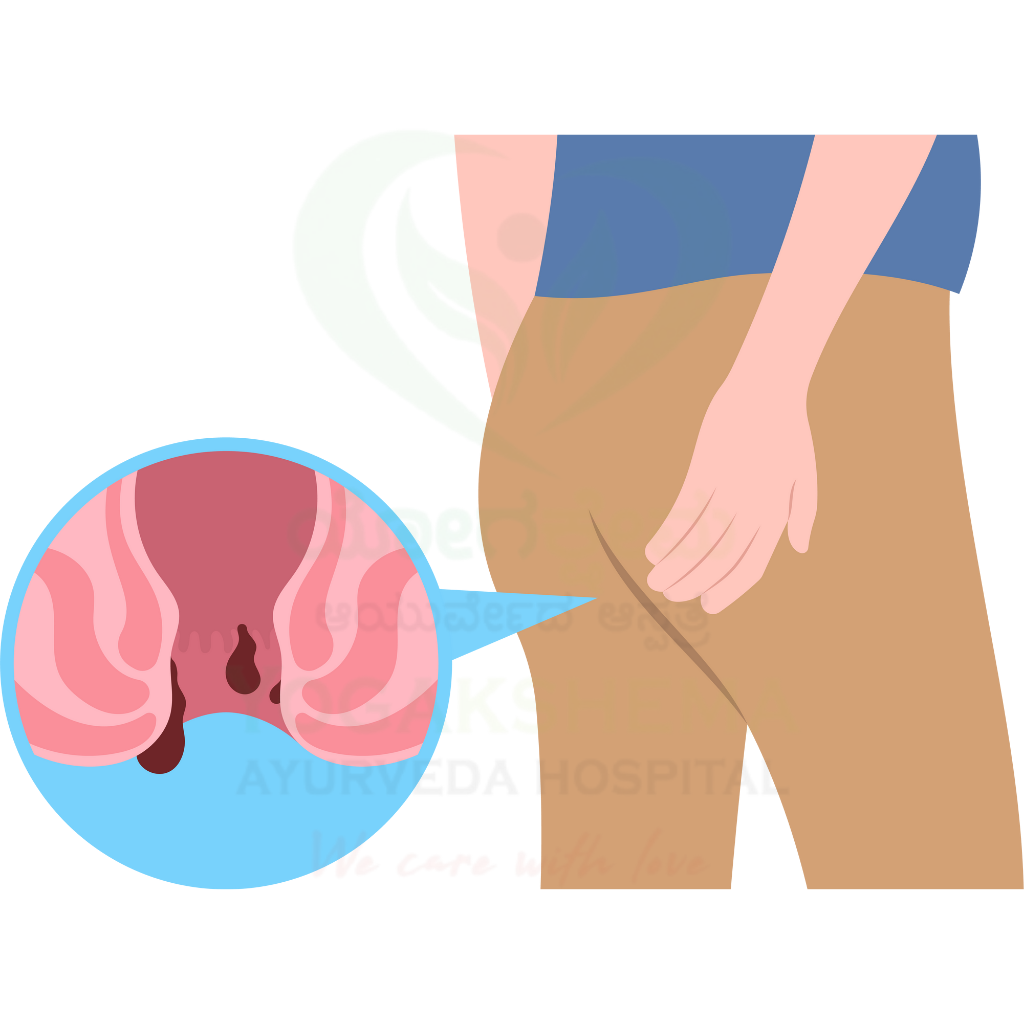
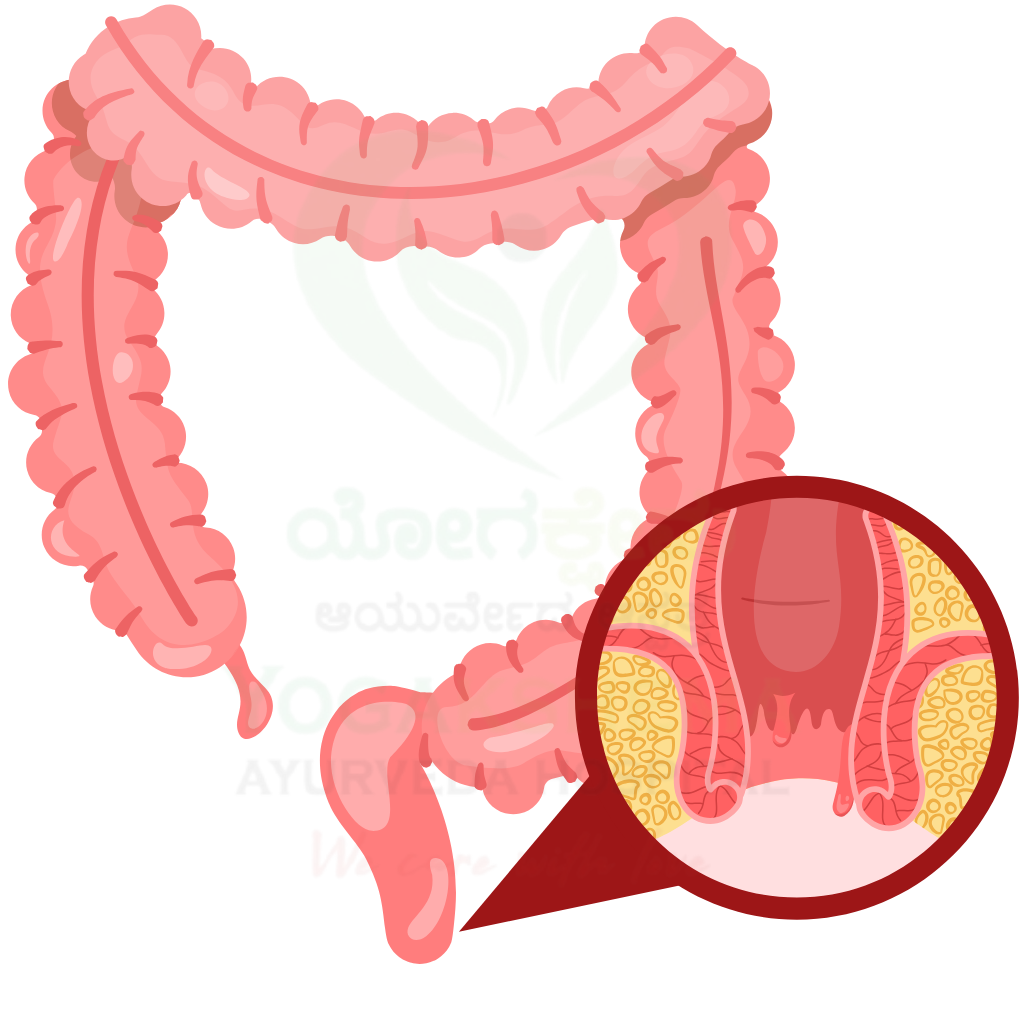
- Hemorrhoids (Piles)
- Anal fistula
- Anal fissure
- Lipoma
- Sebaceous cyst
- Corns and calluses
- Chronic non-healing wounds
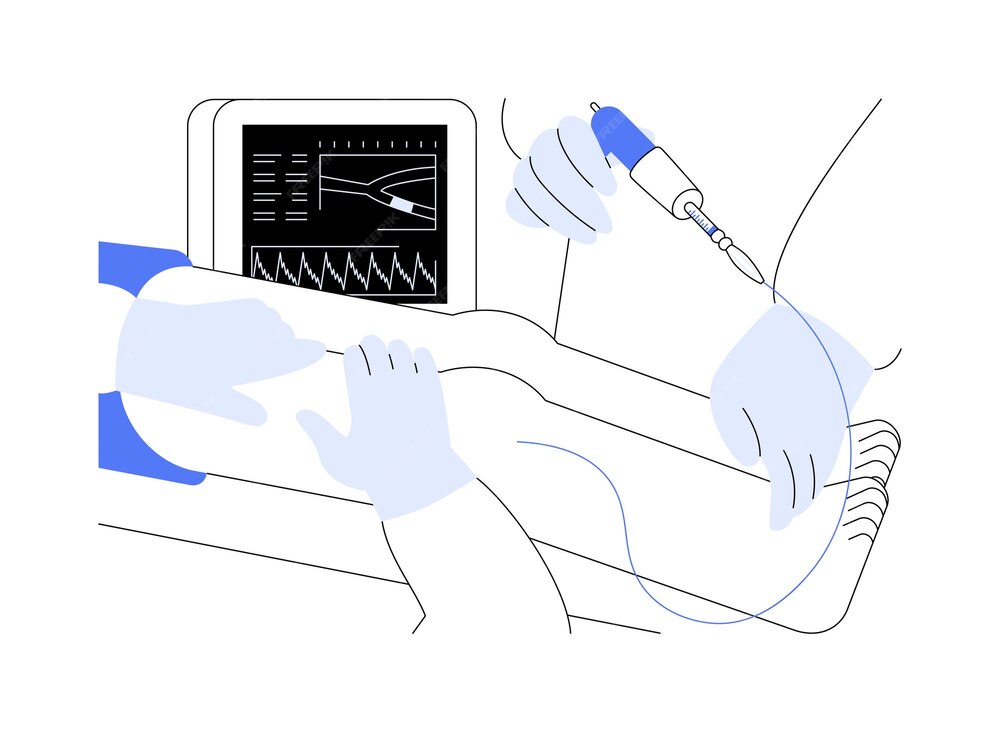
- Selected varicose vein conditions
- Other suitable minor surgical conditions
Related Internal Links
- https://yogakshemaayurveda.com/kshara-sutra-treatment/
- https://yogakshemaayurveda.com/agni-karma/
- https://yogakshemaayurveda.com/consults/
3. What is Kshara Sutra surgery?
Kshara Sutra is a specialized Ayurvedic surgical technique that uses a medicated thread to treat anorectal conditions such as fistula-in-ano. It is recognized as a minimally invasive treatment for selected patients and requires periodic follow-up until healing is complete.
Related Internal Links
- https://yogakshemaayurveda.com/kshara-sutra-treatment/
- https://yogakshemaayurveda.com/para-surgical-procedures/
4. Are modern sterile surgical protocols followed?
Yes. Surgical procedures are performed using appropriate patient evaluation, sterilization, infection-control measures, and postoperative monitoring to support patient safety.
Related Internal Links
5. Will I need hospitalization?
Hospital admission depends on the procedure being performed, your overall health, and postoperative monitoring requirements. Many minor procedures may be completed on a day-care basis, while others require short inpatient observation.
Related Internal Links
6. How long is the recovery period?
Recovery varies according to the procedure, wound healing, and the individual’s overall health. Your surgeon will provide personalized postoperative instructions, wound care guidance, and follow-up appointments.
Related Internal Links
7. What happens during the first consultation?
The consultation generally includes:
- Medical history
- Physical examination
- Review of previous investigations
- Diagnosis
- Discussion of treatment options
- Surgical planning if required
- Preoperative instructions
Related Internal Links
8. What should I expect after surgery?
Postoperative care may include:
- Wound dressing
- Pain management
- Diet recommendations
- Activity guidance
- Follow-up visits
- Personalized rehabilitation when appropriate
Related Internal Links
9. Are all conditions treated with Ayurvedic surgery?
No. The most appropriate treatment depends on the diagnosis, severity, and overall health of the patient. Some conditions are best managed conservatively, while others may require conventional surgical care or multidisciplinary treatment. Patients are assessed individually before recommendations are made.
Related Internal Links
10. Why choose Yogakshema Ayurveda Hospital for surgical procedures?
Yogakshema Ayurveda Hospital offers physician-led surgical care by Dr. Shyam Prasad P. S., an experienced Ayurvedic surgeon with expertise in Shalya Tantra, Kshara Sutra, wound management, minor surgical procedures, and holistic postoperative care. Individualized treatment planning and comprehensive follow-up are central to patient care.
Related Internal Links
- https://yogakshemaayurveda.com/about-us/
- https://yogakshemaayurveda.com/about-doctor/
- https://yogakshemaayurveda.com/kshara-sutra-treatment/
- https://yogakshemaayurveda.com/para-surgical-procedures/
- https://yogakshemaayurveda.com/packages/
- https://yogakshemaayurveda.com/contact-us/