
Abscess Treatment
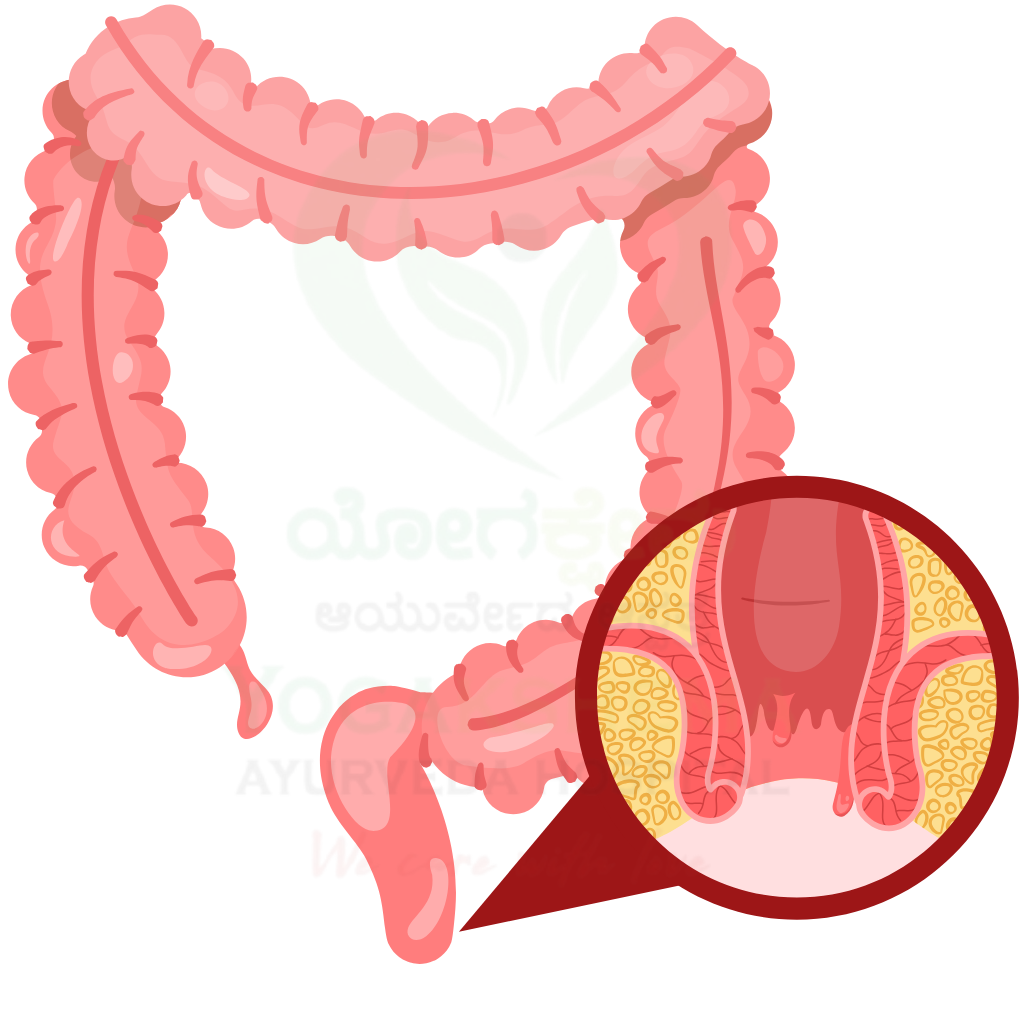
Bhedana and Visravana for Abscess Treatment at Yogakshema Ayurveda Hospital
At Yogakshema Ayurveda Hospital, we offer a comprehensive approach to treating abscesses, combining the healing power of Ayurvedic principles with modern surgical techniques to ensure the best possible outcomes. Abscesses are localized collections of pus that can occur in various parts of the body, causing discomfort and posing health risks if left untreated. Our expert team, led by Dr. Shyam Prasad P.S., utilizes Bhedana and Visravana to effectively treat these conditions.
Bhedana and Visravana:
- Bhedana (Incision): An Ayurvedic technique that involves making a small incision to drain the abscess and allow the release of pus, promoting immediate relief from pain and pressure.
- Visravana (Drainage): Refers to the complete evacuation of pus and other accumulated material from the abscess cavity. After drainage, the cavity is often treated with medicated substances (ksharas) to aid in healing.
The combination of Bhedana and Visravana, along with the use of ksharas, ensures:
- Promote Healing: Ksharas cleanse the abscess cavity, reduce inflammation, and speed up the healing process.
- Prevent Recurrence: The application of ksharas destroys any remaining infection and promotes tissue regeneration, reducing the chance of recurrence.
Common Sites of Abscesses:
- Anorectal Abscesses: These occur around the anus and can cause significant discomfort and pain.
- Dental Abscesses: Infections around the teeth or gums.
- Skin Abscesses: Can develop due to skin infections or injuries.
- Breast Abscesses: Infections in the breast tissue.
Indications for Bhedana and Visravana:
- Mature Abscesses: This treatment is ideal for mature abscesses that are fluctuant (filled with pus) and causing pain and discomfort.
Pre-Procedure Considerations:
- Thorough Consultation: A detailed consultation with Dr. Shyam Prasad P.S., a senior general surgeon, is essential to assess the suitability of the procedure and discuss risks and benefits.
- Diagnostic Evaluation: A thorough physical examination, including necessary diagnostic tests, will be performed to assess the extent and type of abscess.
- Pre-operative Preparation: Patients will receive pre-operative instructions, including dietary modifications and hygiene measures, to prepare for the procedure.
Procedure:
- Anesthesia: The procedure is typically performed under local anesthesia, with a SEPTA block for enhanced comfort.
- Incision and Drainage: A small incision is made over the abscess, and the pus is completely drained.
- Application of Kshara: After drainage, the abscess cavity is thoroughly cleaned and treated with the appropriate kshara to prevent recurrence and promote healing.
- Wound Care: The incision site is cleaned and dressed to ensure proper healing and minimize the risk of infection.
Post-Procedure Care:
Wound Care: Patients will be given detailed instructions on how to care for the wound to promote healing and prevent infection.
Pain Management: Pain medications may be prescribed to manage any post-operative discomfort.
Dietary and Lifestyle Guidance:
- South Indian/Karnataka Diet: Focus on easily digestible foods like rice, lentils, vegetables, and fruits.
- Avoidance of: Spicy foods, fried foods, alcohol, and excessive caffeine to promote healing.
- Increased Fiber Intake: Foods rich in fiber, like fruits, vegetables, and whole grains, should be included in the diet.
- Regular Exercise: Gentle exercise, such as walking, improves circulation and supports healing.
- Stress Management: Techniques like deep breathing and meditation can aid in the recovery process by reducing stress.
Follow-up Consultations: Regular follow-up visits with Dr. Shyam Prasad P.S. or another qualified physician are crucial to monitor recovery and address any concerns.
Contraindications:
- Pregnancy: This procedure may not be suitable for pregnant women.
- Bleeding Disorders: Individuals with bleeding disorders may not be suitable candidates.
- Certain Medical Conditions: Patients with certain underlying conditions may not be appropriate for this procedure.
At Yogakshema Ayurveda Hospital, we combine traditional Ayurvedic wisdom with modern surgical techniques to treat abscesses effectively. Our skilled surgeons prioritize patient safety, ensuring personalized care for optimal recovery and long-term health. Under the guidance of Dr. Shyam Prasad P.S., we offer a holistic approach to abscess treatment, promoting healing and preventing recurrence.
Frequently Asked Questions (FAQs) About Abscess Treatment
1. What is an abscess?
An abscess is a localized collection of pus that develops when the body’s immune system responds to a bacterial infection or inflammation. It can occur anywhere in the body but is most commonly found in the skin, around the anus (perianal abscess), or in deeper soft tissues.
Common symptoms of an abscess include:
- Painful swelling
- Redness around the affected area
- Warmth over the swelling
- Tenderness
- Pus formation
- Fever (in some cases)
If left untreated, an abscess may enlarge, spread the infection, or lead to complications. Early diagnosis and appropriate treatment are important for faster recovery.
2. What causes an abscess?
An abscess usually develops when bacteria enter the body through a small cut, blocked gland, infected hair follicle, or damaged skin.
Common causes and risk factors include:
- Bacterial infection
- Poor personal hygiene
- Diabetes
- Weakened immune system
- Inflammatory bowel disease (IBD)
- Skin infections
- Blocked sweat or sebaceous glands
- Minor skin injuries
According to Ayurveda, abscess formation is associated with an imbalance of Pitta and Kapha Doshas, leading to inflammation, swelling, and pus formation.
3. What are the symptoms of an abscess?
The symptoms of an abscess vary depending on its size and location.
Common signs and symptoms include:
- Painful swelling
- Redness and warmth
- Pus discharge or pus collection
- Tenderness on touch
- Fever or chills (in severe cases)
- Difficulty sitting (especially in perianal abscess)
- General discomfort
Seek prompt medical evaluation if you experience severe pain, rapidly increasing swelling, fever, or persistent drainage.
4. How does Ayurveda treat an abscess?
Ayurvedic treatment for an abscess depends on its stage, location, severity, and the patient’s overall health.
A personalized treatment plan may include:
- Ayurvedic herbal medicines
- Anti-inflammatory therapies
- Wound care
- Dietary guidance
- Lifestyle modifications
- Procedures to promote healing
When an abscess has matured and contains a significant collection of pus, Bhedana (Ayurvedic incision and drainage) may be recommended to safely drain the abscess, followed by appropriate wound care and recovery support.
Treatment is always individualized after a detailed clinical and Ayurvedic assessment.
5. When is abscess drainage necessary?
Abscess drainage is generally recommended when there is a significant collection of pus that is unlikely to heal on its own.
Drainage may help:
- Relieve pressure
- Reduce pain
- Remove infected material
- Promote faster healing
- Lower the risk of infection spreading
The decision to perform drainage is made after a thorough examination by a qualified healthcare professional based on the size, location, and severity of the abscess.
6. Can Ayurveda help prevent recurrent abscesses?
Ayurveda emphasizes treating the underlying causes that may contribute to recurrent abscess formation.
A personalized prevention plan may include:
- Ayurvedic herbal support
- Healthy dietary recommendations
- Lifestyle modifications
- Improved wound care
- Immune-supportive wellness practices
- Hygiene education
Managing underlying conditions such as diabetes and maintaining good personal hygiene are also important in reducing the risk of recurrence.
Results vary depending on the underlying cause and individual health condition.
7. How long does recovery from an abscess take?
Recovery depends on several factors, including:
- Size of the abscess
- Location
- Severity of infection
- Type of treatment provided
- Overall health of the patient
Small abscesses may heal within a few days to weeks, while larger abscesses requiring drainage may need longer healing time and regular wound care.
Your Ayurvedic physician will provide individualized guidance on wound care, follow-up visits, and recovery based on your specific condition.
8. Is abscess treatment painful?
An untreated abscess can be quite painful due to pressure from the accumulated pus.
During treatment, healthcare professionals use appropriate techniques to minimize discomfort.
After successful drainage and proper wound care, pain and swelling generally improve gradually as healing progresses.
Following your physician’s post-treatment instructions can help promote a smoother recovery.
9. How can I reduce the risk of developing an abscess?
Although abscesses cannot always be prevented, you can reduce your risk by following good hygiene and healthy lifestyle practices.
Tips to help prevent abscess formation:
- Maintain good personal hygiene
- Clean cuts, wounds, and skin injuries promptly
- Manage diabetes effectively
- Avoid squeezing boils or infected swellings
- Seek early treatment for skin infections
- Keep the skin clean and dry
- Support overall immune health through a healthy lifestyle
Early medical attention for skin infections may help prevent abscess formation and related complications.
10. Why choose Yogakshema Ayurveda for abscess treatment?
Yogakshema Ayurveda Hospital provides personalized Ayurvedic treatment for abscesses under the supervision of experienced Ayurvedic physicians.
Why choose Yogakshema Ayurveda?
- Comprehensive Ayurvedic consultation
- Individualized treatment plans
- Authentic Ayurvedic herbal medicines
- Professional wound care
- Ayurvedic surgical procedures such as Bhedana (Incision and Drainage) when clinically appropriate
- Hygienic clinical environment
- Personalized dietary and lifestyle guidance
- Post-treatment follow-up and recovery support
Every treatment plan is customized according to the patient’s condition, Ayurvedic assessment, and overall health to promote safe healing, reduce recurrence, and support long-term wellness.