
Pilonidal Disease
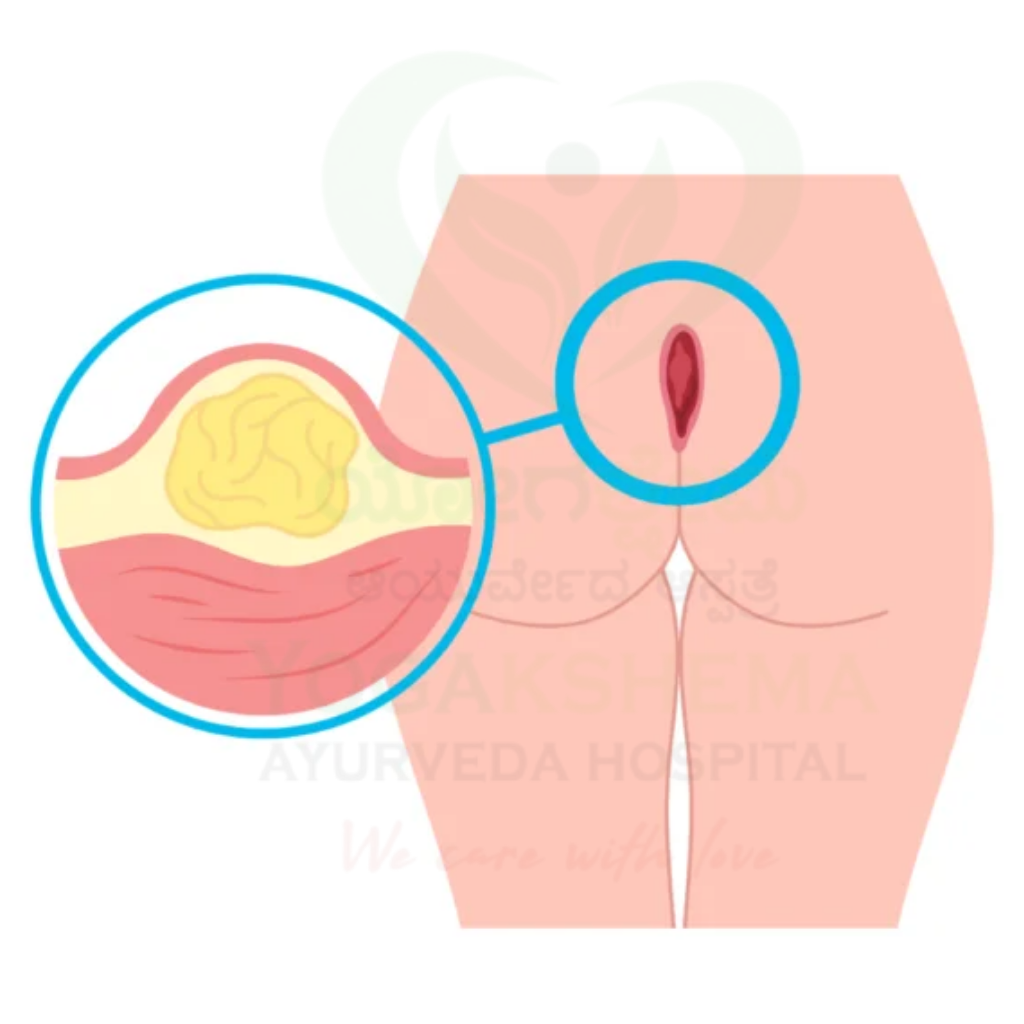
Pilonidal Disease: An Ayurvedic Perspective
Pilonidal disease is a condition where an abscess or cyst forms near the tailbone (coccyx), often containing hair and debris. This can cause pain, swelling, and drainage, significantly affecting comfort and mobility.
Ayurvedic Perspective
According to Ayurveda, pilonidal disease results from an imbalance of Vata and Kapha doshas:
- Vata Imbalance – Leads to dryness, roughened tissues, and poor circulation, making the area prone to ingrown hairs and inflammation.
- Kapha Imbalance – Causes fluid accumulation, cyst formation, and abscess development.
Signs & Symptoms
- Pain and tenderness – Localized discomfort around the tailbone.
- Swelling and redness – The affected area appears inflamed.
- Drainage – Pus or blood may be discharged from the cyst.
- Fever – May occur in cases of infection.
Ayurvedic Management of Pilonidal Disease
Ayurveda provides a comprehensive treatment approach by targeting the root cause, detoxifying the body, and promoting natural healing.
1. Detoxification & Healing Therapies
- Langhana – A light, easy-to-digest diet to reduce digestive burden.
- Snehana – Oil massage to reduce inflammation and improve blood circulation.
- Swedana – Herbal steam therapy to aid detoxification.
- Virechana – Gentle purgation therapy to eliminate toxins.
2. Herbal Medications
- Turmeric (Haridra) – Reduces inflammation and prevents infection.
- Neem (Nimba) – A natural antiseptic that supports wound healing.
- Licorice (Yashtimadhu) – Soothes irritation and promotes tissue repair.
3. Lifestyle Modifications
- Maintain proper hygiene to prevent infections.
- Avoid prolonged sitting or standing to reduce pressure on the affected area.
- Maintain a healthy weight to prevent recurrence.
- Engage in regular exercise and stress management practices like yoga.
Ayurvedic Surgical Procedures for Pilonidal Disease
In cases where conservative treatments are not sufficient, Ayurveda offers minimally invasive surgical procedures:
- Bhedana (Incision & Drainage) – In cases of abscess formation, Bhedana is performed to drain pus, followed by proper wound care and medicated dressings.
- Kshara Sutra Therapy – A medicated thread technique used to promote gradual healing, prevent recurrence, and minimize scarring.
Why Choose Yogakshema Ayurveda Hospital?
At Yogakshema Ayurveda Hospital, we provide personalized Ayurvedic treatment plans for pilonidal disease, integrating traditional therapies with modern diagnostics for effective and long-term healing.
Under the expert guidance of Dr. Shyam Prasad P.S., an Ayurveda General Surgeon with 17+ years of experience, our approach includes:
✔ Thorough assessment & customized treatment plans
✔ Integration of Ayurvedic therapies with surgical interventions like Bhedana, if necessary
✔ Comprehensive post-operative care for faster recovery and recurrence prevention
Frequently Asked Questions (FAQs)
1. What is pilonidal disease?
Pilonidal disease is a chronic skin condition that usually develops near the tailbone. Hair, dead skin, and debris become trapped beneath the skin, forming a cyst or sinus that can become infected and produce pain, swelling, or pus discharge.
Related Internal Links
- https://yogakshemaayurveda.com/pilonidal-disease/
- https://yogakshemaayurveda.com/kshara-sutra-treatment/
- https://yogakshemaayurveda.com/para-surgical-procedures/
- https://yogakshemaayurveda.com/contact-us/
2. What causes pilonidal sinus?
Common contributing factors include:
- Ingrown hairs
- Friction in the buttock cleft
- Prolonged sitting
- Excess body hair
- Obesity
- Repeated local irritation
- Poor drainage of infected hair follicles
Related Internal Links
- https://yogakshemaayurveda.com/lifestyle/
- https://yogakshemaayurveda.com/lifestyle-wellness/
- https://yogakshemaayurveda.com/consults/
3. What are the symptoms of pilonidal disease?
Symptoms may include:
- Pain near the tailbone
- Swelling
- Redness
- Pus or blood discharge
- Foul-smelling drainage
- Difficulty sitting
- Recurrent infection
- Fever (when severe infection develops)
Related Internal Links
4. Can Ayurveda help treat pilonidal sinus?
Ayurvedic management may include Kshara Sutra therapy for selected patients, physician-guided medicines, wound care, hygiene advice, and lifestyle measures. Treatment depends on the stage of the disease and requires evaluation by an experienced Ayurvedic surgeon.
Related Internal Links
- https://yogakshemaayurveda.com/kshara-sutra-treatment/
- https://yogakshemaayurveda.com/para-surgical-procedures/
- https://yogakshemaayurveda.com/surgical-procedures/
5. What is Kshara Sutra therapy for pilonidal sinus?
Kshara Sutra is a classical Ayurvedic para-surgical technique that uses a medicated thread to gradually treat selected sinus tracts while promoting healing. Whether it is appropriate depends on the patient’s anatomy and clinical findings.
Related Internal Links
- https://yogakshemaayurveda.com/kshara-sutra-treatment/
- https://yogakshemaayurveda.com/kshara-karma/
- https://yogakshemaayurveda.com/para-surgical-procedures/
6. Can pilonidal disease recur?
Yes. Pilonidal disease has a risk of recurrence, especially if sinus tracts remain, hygiene is inadequate, or hair continues to accumulate in the affected area. Proper wound care and long-term preventive measures help reduce recurrence.
Related Internal Links
7. How can I prevent pilonidal sinus from returning?
Prevention includes:
- Keeping the area clean and dry
- Regular hair removal if advised
- Maintaining a healthy weight
- Avoiding prolonged sitting
- Wearing loose clothing
- Following post-treatment wound care instructions
Related Internal Links
8. Is surgery always necessary for pilonidal disease?
Not always. Acute abscesses often require drainage, while chronic or recurrent disease may require procedures such as Kshara Sutra or surgery depending on the extent of the sinus tract and specialist evaluation.
Related Internal Links
- https://yogakshemaayurveda.com/surgical-procedures/
- https://yogakshemaayurveda.com/para-surgical-procedures/
- https://yogakshemaayurveda.com/kshara-sutra-treatment/
9. How long does recovery take?
Recovery depends on the severity of the disease, the treatment performed, wound size, and the individual’s healing capacity. Following post-procedure care instructions and scheduled follow-up visits is important for optimal healing.
Related Internal Links
10. Why choose Yogakshema Ayurveda Hospital for pilonidal sinus treatment?
Yogakshema Ayurveda Hospital provides comprehensive anorectal care with experienced Shalya Tantra specialists, individualized assessment, Kshara Sutra therapy for suitable cases, wound care, follow-up, and holistic Ayurvedic management.