
Piles
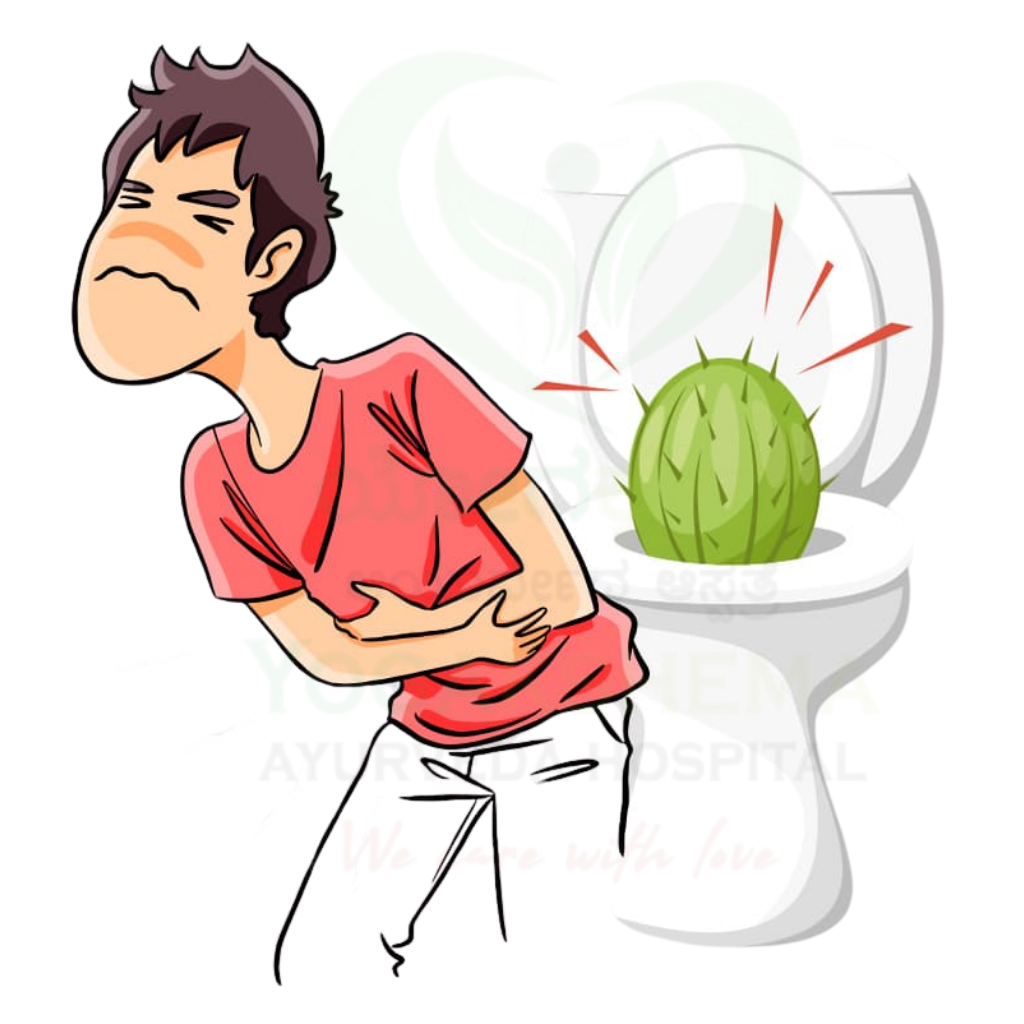
Piles: An Ayurvedic Perspective on Diagnosis and Management
Piles, also known as hemorrhoids, are swollen and inflamed veins in the lower rectum and anus. These veins may be internal (inside the rectum) or external (around the anus). Though common, piles can cause significant discomfort, including pain, bleeding, itching, and irritation, affecting overall quality of life.
Causes of Piles
- Increased Pressure on Veins: Straining during bowel movements (constipation), chronic diarrhea, pregnancy, obesity, and prolonged sitting can contribute to pile formation.
- Aging: As we age, the connective tissues supporting the veins in the anus weaken, increasing susceptibility to piles.
- Family History: A genetic predisposition can slightly increase the risk of developing piles.
Symptoms of Piles
- Pain: Commonly experienced during bowel movements.
- Bleeding: Bright red blood on stool or toilet paper.
- Itching and Irritation: Persistent discomfort around the anus.
- Swelling: Presence of lumps or bumps around the anus.
- Mucus Discharge: Leakage of mucus from the anus.
Diagnosis at Yogakshema Ayurveda Hospital
- Physical Examination: A thorough external and internal rectal examination.
- Digital Rectal Exam: The doctor inserts a gloved finger into the rectum to detect any abnormalities.
- Anoscopy: A short, rigid tube with a light is used to examine the lower rectum.
- Proctoscopy: A longer, flexible tube is inserted to get a clearer view of the rectum and lower colon.
- Video Proctoscopy (Exclusive at Yogakshema Ayurveda Hospital):
- Provides a clear video visualization of the rectal and anal canal.
- Patients receive a video recording and a detailed report of the procedure.
- Enhances patient understanding and allows active participation in treatment decisions.
Differential Diagnosis
Since piles share symptoms with other conditions, proper diagnosis is crucial to rule out:
- Anal Fissure: A small tear in the lining of the anus.
- Anal Abscess: A bacterial infection forming a pus-filled lump near the anus.
- Anal Cancer: Though rare, ruling out malignancy is essential.
- Inflammatory Bowel Diseases: Conditions like Crohn’s disease or ulcerative colitis can present similar symptoms.
Ayurvedic Approach to Piles Management
Ayurveda focuses on a holistic treatment approach that includes diet, lifestyle modifications, herbal remedies, detoxification therapies, and surgical interventions when necessary.
1. Diet & Lifestyle Modifications
- Increase Fiber Intake: Eat more fruits, vegetables, and whole grains to prevent constipation.
- Stay Hydrated: Drink plenty of water to soften stools.
- Regular Exercise: Engage in physical activity to improve digestion and circulation.
- Avoid Triggers: Limit spicy, fried, and processed foods that aggravate symptoms.
2. Herbal Remedies
- Internal Medicines: Ayurvedic formulations to balance digestion and reduce inflammation.
- External Applications: Herbal oils and creams that help soothe pain and irritation.
3. Panchakarma Detoxification Therapies
- Virechana (Therapeutic Purgation): Helps cleanse the digestive system.
- Basti (Medicated Enema): A specialized therapy to detoxify and heal the colon.
Ayurvedic Surgical Procedures for Piles
- Kshara Karma: Application of a medicinal alkaline substance (kshara) to the affected area to shrink the pile tissue gradually.
- Kshara Sutra Ligation: A medicated thread soaked in herbal alkaline substances is tied around the pile to cut off its blood supply, causing it to shrink and detach naturally.
Post-Treatment Care
To prevent recurrence and ensure smooth healing, post-treatment care includes:
- Hygiene: Maintain strict cleanliness around the anal area to prevent infections.
- Dietary Guidelines: Continue a fiber-rich diet and avoid excessive straining.
- Medications: Follow prescribed Ayurvedic medications for pain relief and healing.
- Lifestyle Modifications: Maintain a healthy weight and stay active.
- Sitz Baths: Soaking in warm decoction for 15-20 minutes multiple times a day reduces inflammation and promotes healing.
Why Choose Yogakshema Ayurveda Hospital?
At Yogakshema Ayurveda Hospital, we prioritize patient education, accurate diagnosis, and effective Ayurvedic treatment. Our video proctoscopy allows patients to visualize their condition and receive a comprehensive video recording and detailed report. This approach enhances patient confidence and engagement in their healing journey.
Frequently Asked Questions (FAQs)
1. What are piles?
Piles, also called hemorrhoids, are swollen veins in the rectum or anus that can cause pain, itching, bleeding, mucus discharge, or a lump around the anal region.
Related Internal Links
- https://yogakshemaayurveda.com/piles/
- https://yogakshemaayurveda.com/kk-hemorrhoids/
- https://yogakshemaayurveda.com/kshara-sutra-treatment/
- https://yogakshemaayurveda.com/contact-us/
2. What are the different types of piles?
Piles are broadly classified into:
- Internal hemorrhoids
- External hemorrhoids
Internal hemorrhoids are further graded from Grade I to Grade IV based on the degree of prolapse, which helps guide treatment decisions.
Related Internal Links
- https://yogakshemaayurveda.com/kk-hemorrhoids/
- https://yogakshemaayurveda.com/kshara-karma-and-chedana-for-anorectal-polyps/
- https://yogakshemaayurveda.com/consults/
3. What causes piles?
Common causes include:
- Chronic constipation
- Straining during bowel movements
- Low-fiber diet
- Prolonged sitting
- Obesity
- Pregnancy
- Heavy lifting
- Sedentary lifestyle
These factors increase pressure on the veins around the rectum and anus.
Related Internal Links
- https://yogakshemaayurveda.com/lifestyle/
- https://yogakshemaayurveda.com/lifestyle-wellness/
- https://yogakshemaayurveda.com/malnutrition/
4. What are the symptoms of piles?
Symptoms may include:
- Bleeding during bowel movements
- Pain around the anus
- Itching
- Swelling
- A lump near the anus
- Mucus discharge
- Discomfort while sitting
Seek medical evaluation if symptoms persist or bleeding is significant.
Related Internal Links
5. What is Kshara Sutra treatment?
Kshara Sutra is a classical Ayurvedic para-surgical technique that uses a medicated thread to treat selected anorectal disorders. It is commonly used for fistula-in-ano and may also have a role in selected anorectal conditions when clinically appropriate. Treatment suitability is determined by the surgeon.
Related Internal Links
- https://yogakshemaayurveda.com/kshara-sutra-treatment/
- https://yogakshemaayurveda.com/para-surgical-procedures/
- https://yogakshemaayurveda.com/surgical-procedures/
6. What is Kshara Karma for piles?
Kshara Karma is a minimally invasive Ayurvedic procedure in which a specially prepared alkaline formulation is applied to hemorrhoidal tissue, helping selected piles shrink over time. It is recommended only after physician evaluation.
Related Internal Links
- https://yogakshemaayurveda.com/kk-hemorrhoids/
- https://yogakshemaayurveda.com/kshara-karma/
- https://yogakshemaayurveda.com/para-surgical-procedures/
7. Can piles be treated without major surgery?
Yes. Many early-stage piles respond to conservative treatment, including dietary modification, bowel regulation, medicines, and minimally invasive Ayurvedic procedures such as Kshara Karma. Advanced cases require individualized assessment.
Related Internal Links
- https://yogakshemaayurveda.com/kk-hemorrhoids/
- https://yogakshemaayurveda.com/packages/
- https://yogakshemaayurveda.com/consults/
8. What foods should I eat if I have piles?
A high-fiber diet is generally recommended, including:
- Fruits
- Vegetables
- Whole grains
- Legumes
- Plenty of water
Reducing constipation can help relieve symptoms and lower the risk of recurrence.
Related Internal Links
- https://yogakshemaayurveda.com/lifestyle/
- https://yogakshemaayurveda.com/lifestyle-wellness/
- https://yogakshemaayurveda.com/malnutrition/
9. How can I prevent piles from recurring?
Preventive measures include:
- Eating a fiber-rich diet
- Drinking adequate water
- Exercising regularly
- Avoiding prolonged sitting
- Not delaying bowel movements
- Avoiding excessive straining
These lifestyle changes support long-term bowel health.
Related Internal Links
- https://yogakshemaayurveda.com/lifestyle/
- https://yogakshemaayurveda.com/lifestyle-wellness/
- https://yogakshemaayurveda.com/panchakarma/
10. Why choose Yogakshema Ayurveda Hospital for piles treatment?
Yogakshema Ayurveda Hospital offers comprehensive management for piles, including physician consultation, dietary counseling, Kshara Karma, Kshara Sutra, Panchakarma support where appropriate, and individualized follow-up based on disease severity.
Related Internal Links
- https://yogakshemaayurveda.com/about-us/
- https://yogakshemaayurveda.com/about-doctor/
- https://yogakshemaayurveda.com/kk-hemorrhoids/
- https://yogakshemaayurveda.com/kshara-sutra-treatment/
- https://yogakshemaayurveda.com/para-surgical-procedures/
- https://yogakshemaayurveda.com/packages/
- https://yogakshemaayurveda.com/contact-us/