
Keratoconus
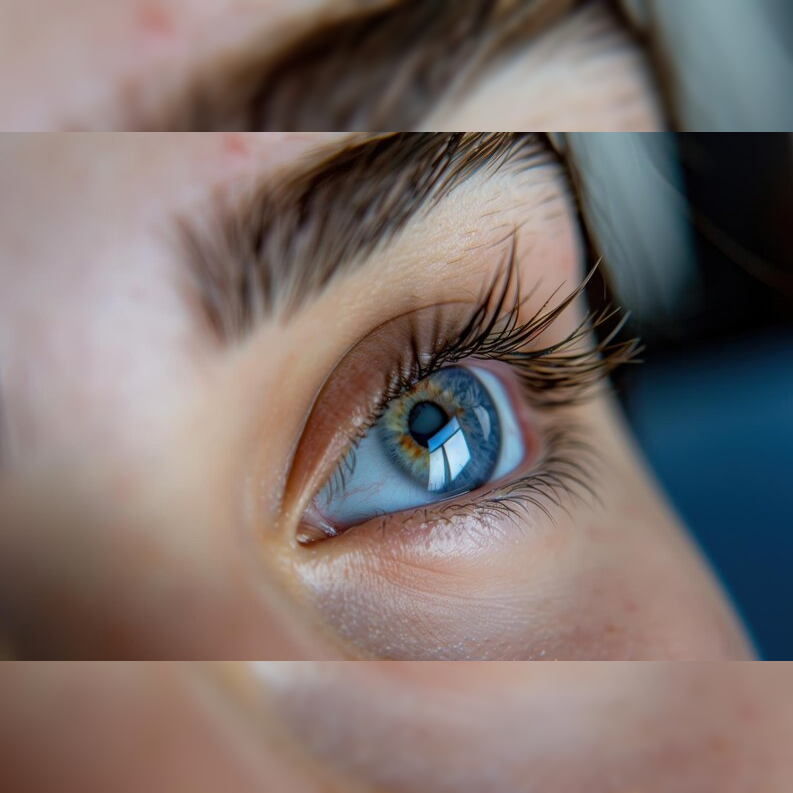
Keratoconus
Symptoms of Keratoconus:
- Mild blurring of vision: Vision gradually becomes less clear.
- Slight distortion of vision: Images may appear wavy or distorted.
- Increased sensitivity to light: Difficulty in bright light and glare.
- Glare: Trouble seeing in low-light or nighttime conditions due to light sensitivity.
- Mild eye irritation: Dryness or discomfort may occur.
Ayurvedic Treatment for Keratoconus:
In Ayurveda, Keratoconus is believed to be caused by the vitiation of Vata dosha. The cornea is considered the seat of Vata, and imbalanced Vata dosha affects the shape and thickness of the cornea, leading to the conical bulging. Ayurvedic treatments aim to arrest the degeneration process, reduce symptoms, and improve the condition.
Ayurvedic Treatment Procedures for Keratoconus:
The following Ayurvedic therapies are commonly used to treat Keratoconus:
- Nethradhara (Eye irrigation)
- Pindi (Herbal paste therapy for the eyes)
- Anjanam (Application of medicinal eye drops)
- Shirodhara (Pouring of oil on the forehead to calm Vata)
- Netra Tharpanam (Soothing therapy for the eyes with medicated ghee)
- Aschotanam (Lubrication of eyes with eye drops)
- Nasya (Inhalation therapy)
- Lepa (Herbal paste application over the eyes)
- Basti (Detoxifying enema therapy)
- Putapaaka (Steam therapy for relaxation)
- Purampada (Nourishment therapy for the eyes)
- Vidalaka (Herbal paste therapy applied externally)
- Shirovasti (Therapy involving oil for the head)
- Internal Medicines: Ayurvedic formulations to support eye health.
Treatment Duration and Follow-up:
- The treatments typically require 2-3 weeks of hospitalization.
- To achieve the maximum benefit, 2-4 courses of treatment at 3-6 months intervals are usually recommended for most patients.
Ayurvedic Therapies for Long-term Management:
- Virechana (Purification therapy)
- Netradhara (Eye cleansing)
- Nasya (Nasal therapy)
- Lepa (Herbal application)
- Shirodhara and Basti (Detoxification and oil therapies)
- Tharpanam (Nourishing therapy for the eyes)
These therapies are potent in preventing the progression of Keratoconus and are highly beneficial when combined with long-term lifestyle management and dietary modifications.
Treatment Package Includes:
- Initial consultation with an Ayurvedic eye specialist, followed by daily follow-up consultations.
- Accommodation during the treatment.
- Ayurvedic meals (Breakfast, Lunch, Supper) and herbal drinks.
- Diet & Lifestyle Management advice.
- Customized Ayurveda therapies tailored to each patient.
- Eye exercises to strengthen the eyes.
- Yoga sessions (Yoga Asanas, Breathing exercises, Meditation, and Relaxation).
Reservation Details:
- Due to the personalized nature of the treatment, only a limited number of patients are accepted each month.
- Advance reservation is recommended at least one month in advance.
- A 50% advance payment is required to secure a spot, with the remaining balance due on the first day of the treatment.
This comprehensive Ayurvedic treatment aims to slow down the progression of Keratoconus, manage symptoms, and improve overall eye health.
FAQs
1. What is keratoconus?
Keratoconus is a progressive eye condition in which the cornea gradually becomes thinner and bulges into a cone-like shape, causing blurred vision, irregular astigmatism, glare, and increased sensitivity to light.
Related Pages:
2. What are the symptoms of keratoconus?
Common symptoms include:
- Blurred or distorted vision
- Frequent changes in spectacle prescription
- Glare and halos around lights
- Light sensitivity
- Poor night vision
- Double vision in one eye
- Eye strain
These symptoms usually develop gradually.
3. What causes keratoconus?
The exact cause is not fully understood. Risk factors include:
- Genetic predisposition
- Chronic eye rubbing
- Allergic eye disease
- Connective tissue disorders
- Progressive weakening of corneal collagen
4. How does Ayurveda view keratoconus?
Classical Ayurvedic texts do not describe keratoconus by its modern name. Based on symptoms, some Ayurvedic practitioners correlate it with Vata-dominant eye disorders and use individualized treatment plans focused on balancing doshas and supporting overall eye health. This interpretation is based on Ayurvedic clinical practice rather than direct classical disease naming.
Related Pages:
5. What Ayurvedic therapies may be recommended?
Depending on the patient’s condition, an Ayurvedic physician may recommend therapies such as:
- Netra Tarpana
- Nasya
- Shirodhara
- Eye-care herbal formulations
- Lifestyle and dietary guidance
These therapies are intended to support eye health and should complement—not replace—appropriate ophthalmology care.
6. Can Ayurveda cure keratoconus?
There is no high-quality clinical evidence that Ayurveda can reverse or cure keratoconus. Ayurvedic care may be used as supportive management to improve overall well-being and eye comfort, but patients should continue regular follow-up with an ophthalmologist. Standard treatments such as glasses, contact lenses, corneal collagen cross-linking, or other specialist interventions may still be necessary.
7. Is keratoconus progressive?
Yes. Keratoconus often progresses gradually, especially in younger individuals. Early diagnosis and regular monitoring are important to help preserve vision and determine whether treatments such as corneal collagen cross-linking are appropriate.
8. Can keratoconus be prevented?
There is no guaranteed way to prevent keratoconus. However, avoiding vigorous eye rubbing, managing allergies, and having regular eye examinations may help reduce additional stress on the cornea and allow earlier detection.
9. How do I book a consultation?
You can schedule an appointment through phone, WhatsApp, or the online consultation page. After evaluation, the Ayurvedic physician will recommend an individualized treatment plan and advise whether coordinated ophthalmology care is appropriate.
Related Pages:
10. Why choose Yogakshema Ayurveda?
Yogakshema Ayurveda Hospital provides physician-led Ayurvedic consultations, individualized treatment plans, authentic Panchakarma therapies where appropriate, and holistic care that can complement conventional eye care under proper medical supervision.
Related Pages: