
Dry Eye
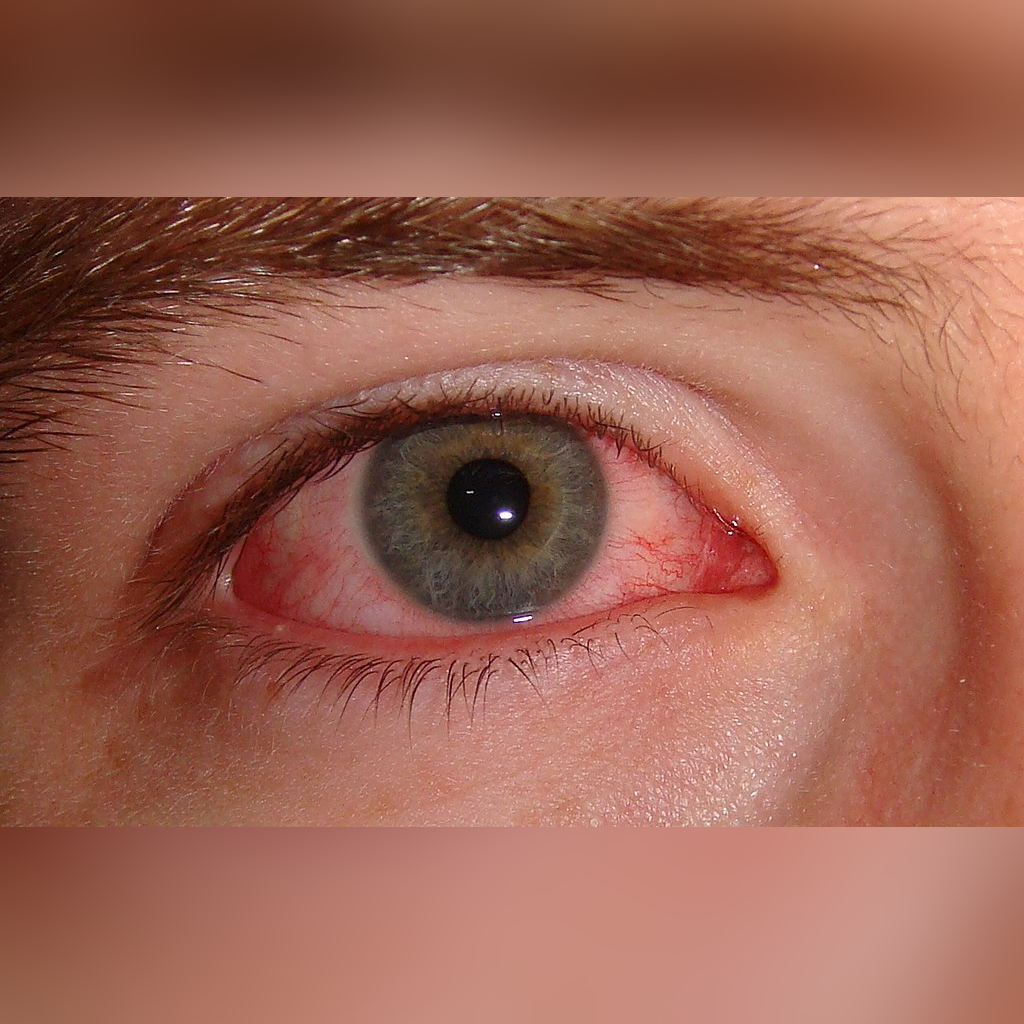
Dry Eye: Ayurvedic Approach to Relief and Treatment
Symptoms of Dry Eye
- Burning sensation and persistent dryness
- Itching and irritation
- Pain, continuous redness, and blurred vision
- Sensitivity to light
Causes of Dry Eye
- Aging, especially post-menopause
- Smoking and excessive alcohol intake
- Pollution and exposure to dusty or hot environments
- Reduced tear flow and side effects of medications
Ayurvedic Treatment for Dry Eye
In Ayurveda, Dry Eye Syndrome is treated as a Pitta imbalance, specifically targeting the eye’s moisture and nourishment. Triphala ghee is commonly used for its therapeutic effects on eye health, helping in tear production, eyelid function, and extraocular muscle support.
Treatment Approach:
- Application of Ghee Drops in the eyes.
- Gentle Massage with Triphala Ghee around the eyes.
- Netra Tarpan – a soothing Ayurvedic procedure that offers substantial relief.
Ayurvedic Therapies for Glaucoma Treatment
- Lepa – Medicated herbal paste
- Nethradhara – Herbal eye wash
- Thakradhara – Medicated buttermilk therapy
- Tharpana – Nourishing eye bath
- Pindi – Herbal compress application
- Anjanam – Herbal eye ointment
- Shirodhara – Oil flow therapy over the forehead
- Aschotanam – Eye drops
- Nasya – Nasal administration
- Basti – Medicated enema
- Putapaka – Eye fumigation with herbal smoke
- Purampada – Application of poultice
- Vidalaka – Herbal paste for eyelids
These therapies are performed under the guidance of an expert Ayurvedic eye specialist, typically involving 2-3 weeks of hospitalization. Multiple courses may be recommended, spaced 3-6 months apart, for optimal results.
About Our Doctor
Yogakshema Ayurveda has a dedicated wing for eye care, managed by [Doctor’s Name], an expert in Ayurvedic ophthalmology, supported by an experienced team.
Treatment Package Includes:
- Initial consultation and daily follow-up with an Ayurvedic eye specialist
- Accommodation
- All Ayurvedic meals (Breakfast, Lunch, Dinner) and herbal drinks
- Personalized diet and lifestyle advice
- Tailored Ayurvedic therapies
- Eye exercises and daily yoga sessions
Reservation Details
We prioritize a high standard of care, so we limit patient intake each month. Reservations are advised at least one month in advance:
- A 50% deposit secures the booking, which will be applied to the total cost.
- The remaining balance is due upon arrival on the first day of treatment.
FAQs
1. What are dry eyes?
Dry eyes, also known as dry eye disease, occur when the eyes do not produce enough tears or when tears evaporate too quickly. This can cause discomfort, irritation, and blurred vision if left untreated.
Related Pages:
2. What causes dry eyes?
Dry eyes may result from reduced tear production, excessive tear evaporation, aging, prolonged screen use, contact lens wear, certain medications, autoimmune diseases, or environmental factors such as air conditioning and wind.
Related Pages:
3. What are the symptoms of dry eyes?
Common symptoms include:
- Burning or stinging sensation
- Grittiness or feeling of sand in the eyes
- Redness
- Eye fatigue
- Blurred vision
- Sensitivity to light
- Excessive watering
- Difficulty wearing contact lenses
Related Pages:
4. Who is at risk of developing dry eyes?
The risk is higher in older adults, women after menopause, people who use digital screens for long periods, contact lens users, individuals with autoimmune disorders, and those exposed to dry or dusty environments.
Related Pages:
5. Can Ayurveda help with dry eyes?
Ayurveda may provide supportive care for dry eyes through individualized treatment plans that can include physician-prescribed herbal medicines, dietary guidance, lifestyle modifications, and traditional eye therapies such as Aschothana, Anjana Karma, or other therapies when clinically appropriate. These approaches are intended to complement conventional eye care, not replace it.
Related Pages:
6. What Ayurvedic treatments are used for dry eyes?
Depending on the patient’s condition, an Ayurvedic physician may recommend:
- Personalized herbal medicines
- Netra Kriya Kalpa (eye therapies)
- Aschothana
- Anjana Karma
- Dietary counseling
- Lifestyle modification
- Panchakarma when indicated
Treatment is always individualized after consultation.
Related Pages:
7. Can dry eyes be prevented?
Many cases can be managed by blinking regularly during screen use, staying hydrated, avoiding smoke and excessive air conditioning, taking screen breaks, and following your eye doctor’s recommendations for eye lubrication and care.
Related Pages:
8. When should I see a doctor for dry eyes?
Consult a healthcare professional if symptoms are persistent, severe, associated with pain, reduced vision, redness that does not improve, or if over-the-counter lubricating drops do not provide relief.
Related Pages:
9. How do I book an Ayurvedic consultation?
You can schedule an appointment at Yogakshema Ayurveda Hospital through phone, WhatsApp, or the online consultation form. After evaluation, an Ayurvedic physician will recommend a personalized treatment plan.
Related Pages:
10. Why choose Yogakshema Ayurveda for dry eye care?
Yogakshema Ayurveda Hospital provides individualized Ayurvedic consultations, traditional eye therapies, holistic lifestyle guidance, physician-supervised treatment plans, and comprehensive supportive care for people with dry eye symptoms.
Related Pages: