
Exploring Para-Surgical Procedures at Yogakshema Ayurveda Hospital
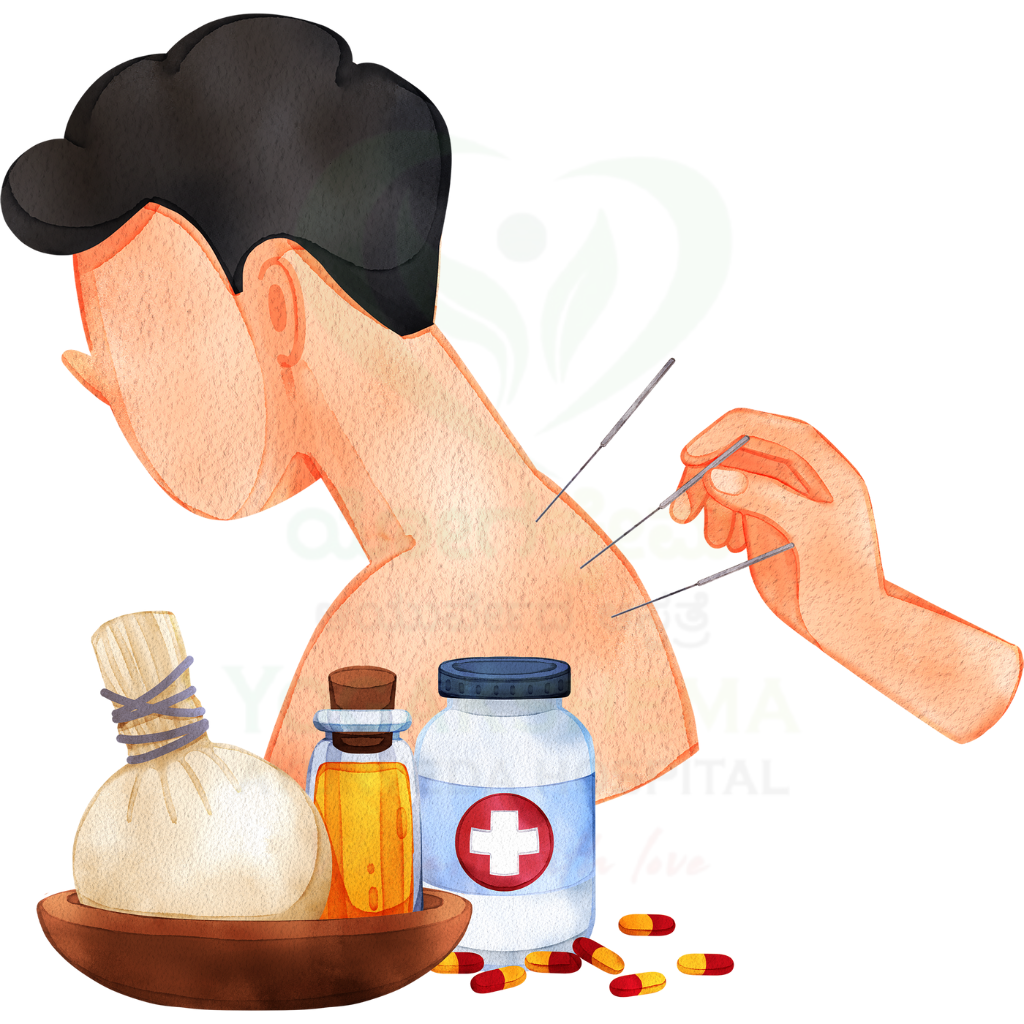
Ayurveda, the ancient Indian system of medicine, offers a holistic approach to health and healing through various therapeutic modalities, including para-surgical procedures. These minimally invasive techniques are effective in managing a wide range of health conditions, providing targeted and lasting relief.
What Are Para-Surgical Procedures?
Para-surgical procedures in Ayurveda involve the use of specialized tools and techniques to treat specific health concerns. These methods are designed to address imbalances in the body with minimal invasiveness, often offering a safer alternative to conventional surgical practices.
Key procedures include:
- Ksharakarma: The application of medicated caustic substances (ksharas) to dissolve or destroy abnormal tissues.
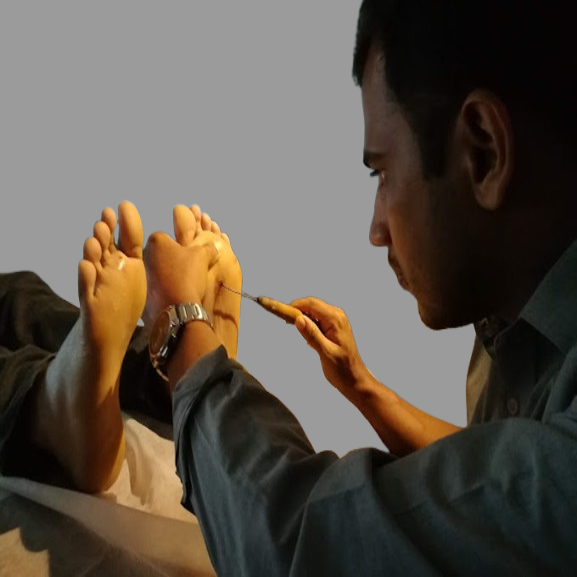
- Agnikarma: Controlled application of heat using specialized instruments to manage pain, inflammation, and various skin conditions.
- Raktamokshana: Therapeutic bloodletting performed through venesection or leech therapy to remove vitiated blood and reduce inflammation.
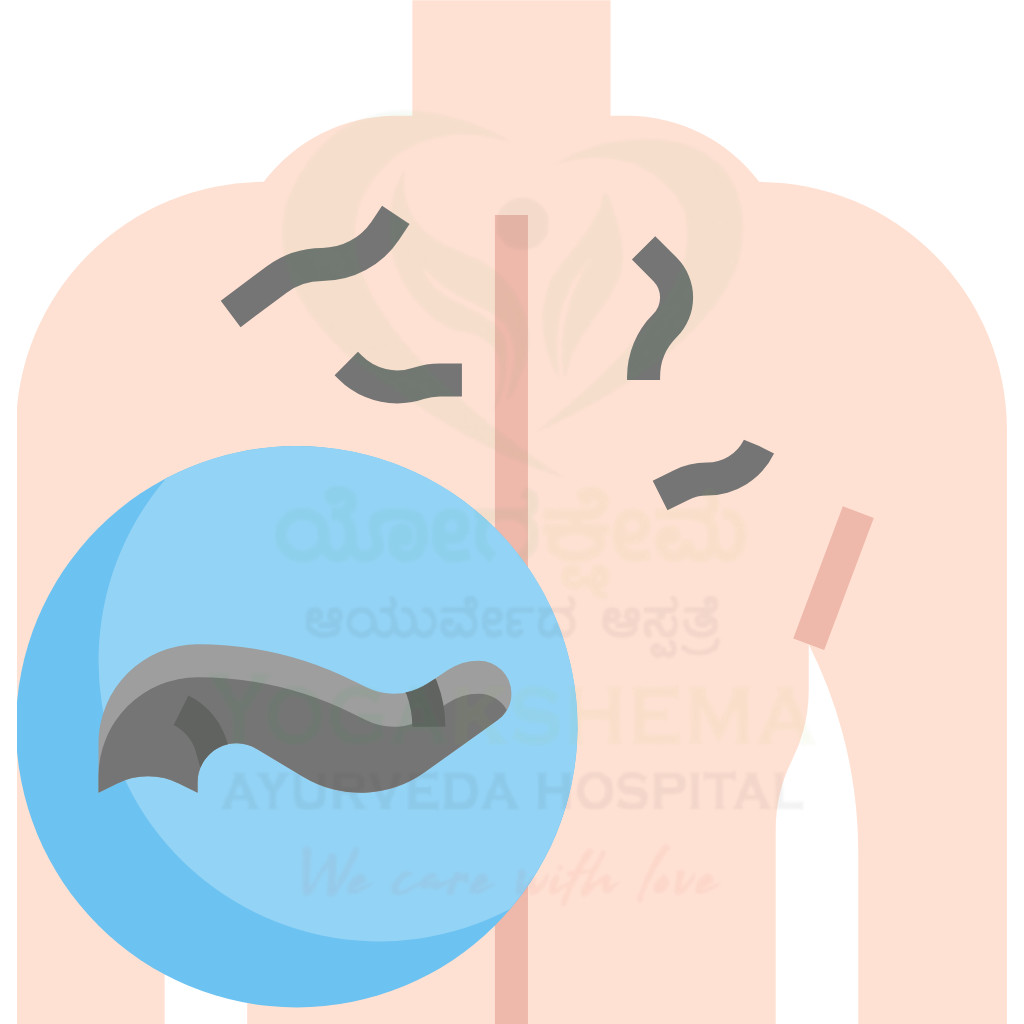
- Jalaukaavacharana: Use of leeches to draw blood, alleviate inflammation, and manage pain in targeted areas.
Importance of Para-Surgical Procedures in Ayurveda
These procedures offer several benefits:
- Effective Condition Management: Address conditions such as skin diseases, musculoskeletal disorders, varicose veins, and inflammatory ailments.
- Minimally Invasive: Provide a less invasive approach compared to traditional surgical methods, with fewer side effects.
- Holistic Healing: Integrate seamlessly with other Ayurvedic therapies, such as Panchakarma, for comprehensive treatment.
- Root Cause Resolution: Target the underlying doshic imbalances (Vata, Pitta, Kapha), promoting sustainable healing.
Pre-Procedure Considerations
To ensure the success and safety of these procedures, several preparatory steps are followed:
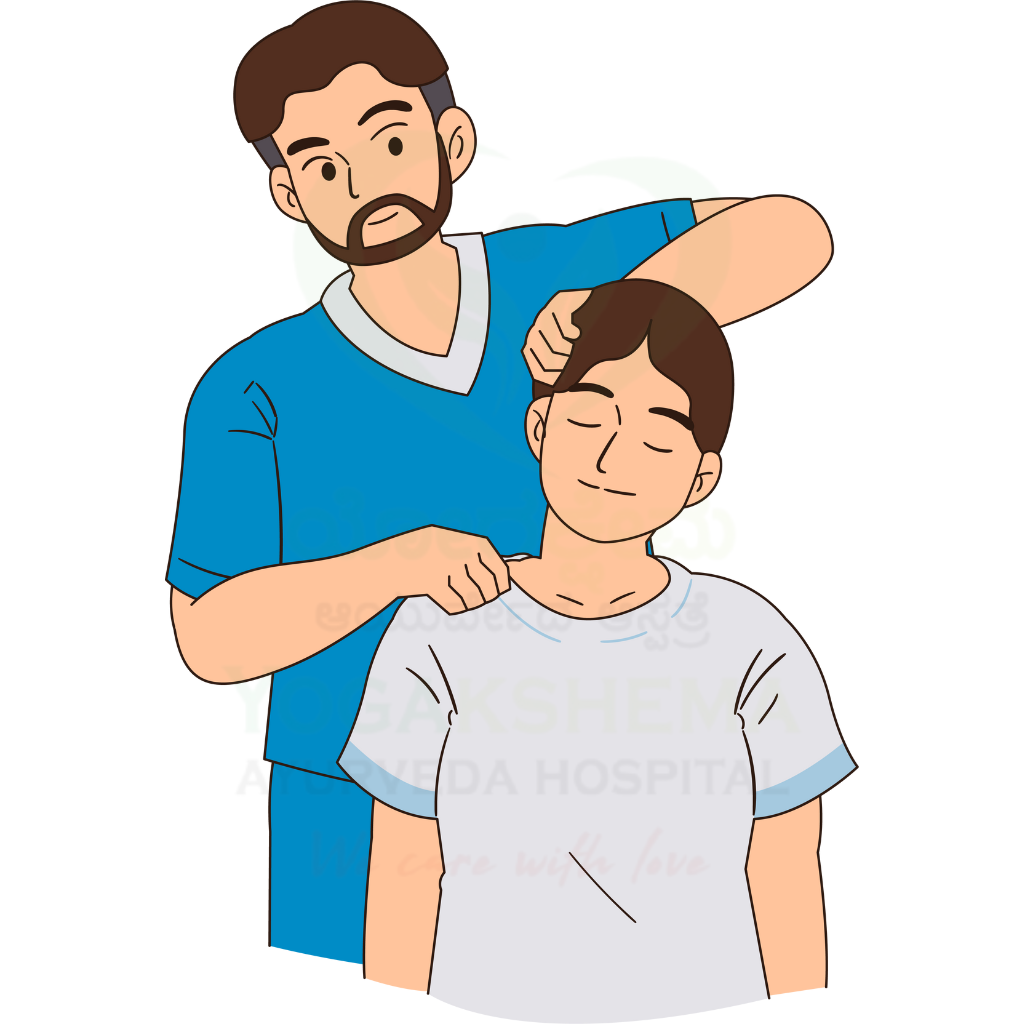
- Consultation: A detailed evaluation by an experienced Ayurvedic physician to determine the procedure’s suitability.
- Diagnosis: Comprehensive diagnostic assessments, such as pulse diagnosis (nadi pariksha), to identify the root cause of the condition.
- Preparation: Personalized pre-procedure instructions, including dietary and lifestyle modifications, are provided to optimize outcomes.
Main Para-Surgical Procedures
1. Agnikarma
- Indications: Pain management, inflammation, warts, corns, and certain neurological conditions.
- Procedure: Controlled heat application using instruments like heated metal probes or moxa sticks.
2. Ksharakarma
- Indications: Warts, corns, calluses, and certain abnormal skin growths.
- Procedure: Application of medicated alkaline substances to dissolve unwanted tissues.
3. Raktamokshana
- Indications: Conditions such as Buerger’s disease/TAO, varicose veins, high blood pressure, cellulitis, abscesses, and certain skin diseases.
- Procedure: Therapeutic bloodletting via venesection or leech therapy to remove vitiated blood.
4. Jalaukaavacharana
- Indications: Pain, inflammation, and certain neurological conditions.
- Procedure: Application of leeches to draw blood, reducing inflammation and alleviating discomfort.
Post-Procedure Care
- Wound Care: Proper care instructions to ensure optimal healing.
- Diet and Lifestyle: Tailored guidance to support recovery and prevent recurrence.
- Follow-Up: Regular consultations to monitor progress and adjust treatment as needed.
Contraindications
Para-surgical procedures may not be suitable in certain situations, including:
- Pregnancy: Certain techniques may pose risks during pregnancy.
- Bleeding Disorders: Procedures like Raktamokshana are contraindicated in individuals with bleeding disorders.
- Acute Infections: Active infections may preclude the use of these methods.
- Specific Medical Conditions: Each case is assessed individually to ensure safety.
At Yogakshema Ayurveda Hospital, we are committed to offering safe and effective para-surgical treatments performed by highly skilled Ayurvedic surgeons. All procedures are carried out in a sterile, hygienic environment, ensuring the utmost care and patient well-being.
Experience the power of Ayurveda’s para-surgical procedures for holistic healing and sustainable health.
Frequently Asked Questions (FAQs)
1. What are para-surgical procedures in Ayurveda?
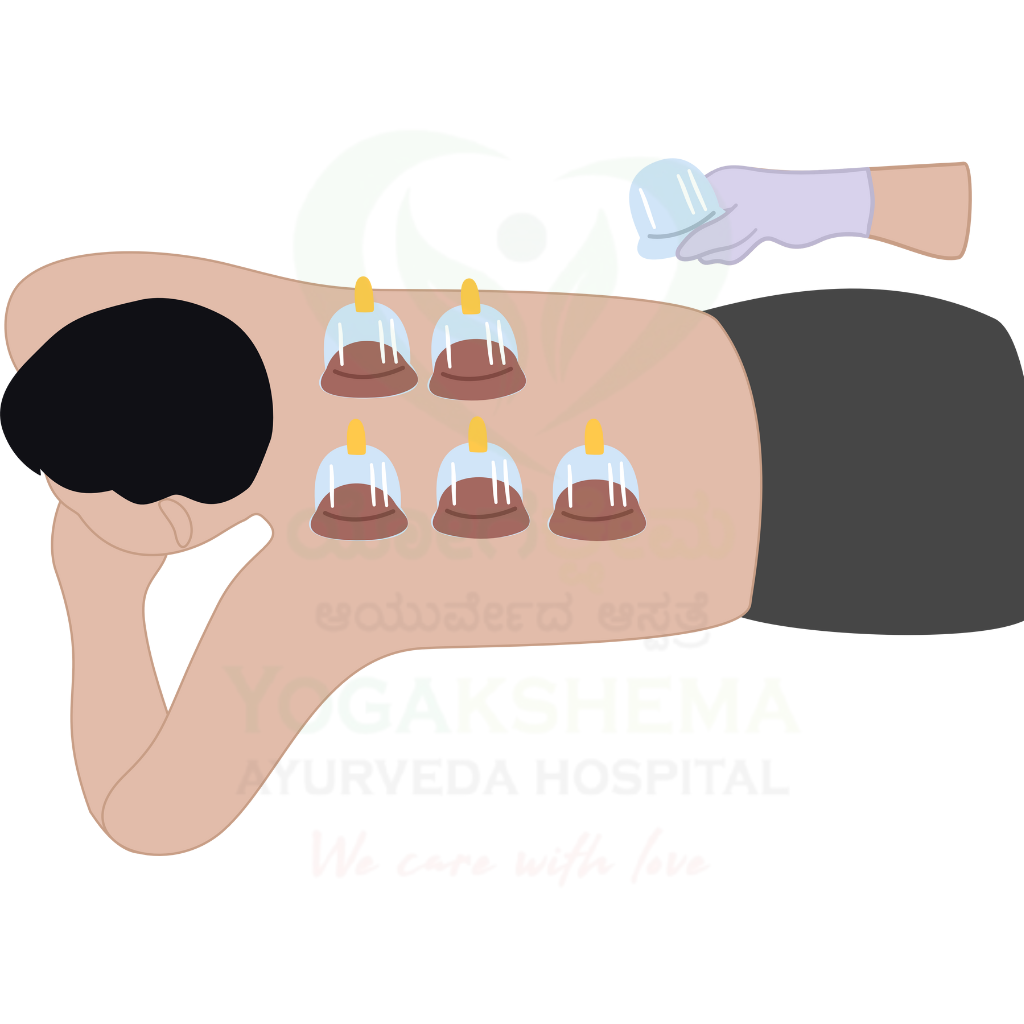
Para-surgical procedures are minimally invasive treatments described in Shalya Tantra. They include Kshara Karma, Agnikarma, Leech Therapy, Siravedha, Wet Cupping, and related techniques used for selected medical conditions.
Related Internal Links
- https://yogakshemaayurveda.com/para-surgical-procedures/
- https://yogakshemaayurveda.com/panchakarma/
- https://yogakshemaayurveda.com/surgical-procedures/
- https://yogakshemaayurveda.com/about-doctor/
- https://yogakshemaayurveda.com/contact-us/
2. Which para-surgical procedures are available at Yogakshema Ayurveda Hospital?
Available procedures include:
- Kshara Karma
- Agnikarma
- Kshara Sutra
- Leech Therapy (Jalaukavacharana)
- Wet Cupping
- Siravedha
- Sthanika Bandhana
The choice of procedure depends on the patient’s diagnosis and physician assessment.
Related Internal Links
- https://yogakshemaayurveda.com/kshara-karma/
- https://yogakshemaayurveda.com/kshara-sutra-treatment/
- https://yogakshemaayurveda.com/leech-therapy/
- https://yogakshemaayurveda.com/agnikarma/
- https://yogakshemaayurveda.com/para-surgical-procedures/
3. Which conditions can be treated using Ayurvedic para-surgical procedures?
Depending on clinical evaluation, these procedures may be recommended for:
- Piles (Hemorrhoids)
- Fistula-in-Ano
- Fissure-in-Ano
- Warts
- Corns
- Chronic wounds
- Varicose veins
- Musculoskeletal pain
- Plantar heel pain
- Certain skin disorders
Treatment suitability is determined by a qualified Ayurvedic physician.
Related Internal Links
- https://yogakshemaayurveda.com/kshara-sutra-treatment/
- https://yogakshemaayurveda.com/kk-hemorrhoids/
- https://yogakshemaayurveda.com/leech-therapy/
- https://yogakshemaayurveda.com/musculoskeletal/
- https://yogakshemaayurveda.com/varicose-veins/
4. What is Kshara Karma?
Kshara Karma is a classical Ayurvedic para-surgical procedure that uses medicated alkaline preparations to treat abnormal tissues in selected conditions while minimizing damage to surrounding healthy tissue.
Related Internal Links
5. What is Agnikarma?
Agnikarma is a therapeutic heat-based Ayurvedic procedure used for selected painful musculoskeletal disorders, chronic pain, tendon disorders, and certain skin lesions.
Related Internal Links
6. Is Leech Therapy considered a para-surgical procedure?
Yes. Jalaukavacharana (Leech Therapy) is a classical para-surgical Ayurvedic procedure involving the controlled use of medicinal leeches in selected inflammatory and vascular conditions.
Related Internal Links
7. Are para-surgical procedures painful?
Most procedures are designed to be minimally invasive. Depending on the procedure, local anesthesia or other pain-control measures may be used, and patients receive individualized post-procedure care.
Related Internal Links
8. Are these procedures safer than conventional surgery?
Many Ayurvedic para-surgical procedures are less invasive than conventional surgery for selected conditions. However, treatment choice depends on the diagnosis, disease severity, and physician assessment, and they are not appropriate for every patient.
Related Internal Links
9. How long is the recovery after para-surgical treatment?
Recovery varies according to the procedure, treated condition, and individual healing response. Many procedures allow patients to resume routine activities relatively quickly with appropriate follow-up care.
Related Internal Links
10. Why choose Yogakshema Ayurveda Hospital for para-surgical procedures?
Yogakshema Ayurveda Hospital offers physician-led para-surgical treatments using classical Ayurvedic techniques, sterile clinical protocols, personalized treatment planning, Panchakarma integration when appropriate, and comprehensive follow-up care.