
Glaucoma
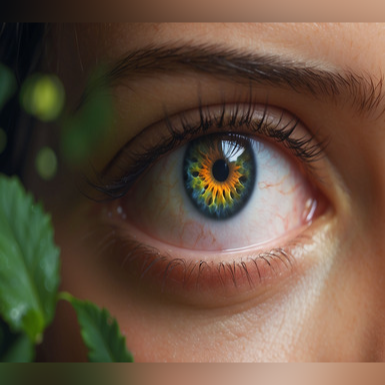
Glaucoma
Types of Glaucoma:
- Open Angle Glaucoma: The most common type, where the drainage angle of the eye is open but the drainage channels are clogged, leading to increased pressure.
- Closed Angle Glaucoma: Caused by direct obstruction in the outflow of aqueous fluid, which results in a sudden increase in eye pressure.
Symptoms of Glaucoma:
- Pain in the eyeball, sometimes accompanied by a headache.
- Photophobia (sensitivity to light).
- Floaters (seeing black spots or flashes in the field of vision).
- Increased intraocular pressure (measured during eye exams).
- Vision loss in advanced cases due to damage to the optic nerves.
Ayurvedic Perspective on Glaucoma:
In Ayurveda, glaucoma is thought to be caused by the vitiation of all three doshas: Vata, Pitta, and Kapha. Ayurvedic treatments focus on clearing the obstruction in the flow of aqueous fluid in the eye to help maintain normal intraocular pressure (IOP). While Ayurvedic treatments can help manage the condition and strengthen the optic nerve, complete recovery of vision is not possible in cases of severe vision impairment. Early treatment is essential to prevent further damage.
Ayurvedic Procedures for Glaucoma:
The following Ayurvedic treatments are often used to manage glaucoma and reduce IOP:
- Lepa over eyes (Application of herbal paste to the eyes)
- Nethradhara (Medicated eye irrigation)
- Thakradhara (Therapy involving medicated buttermilk poured on the forehead)
- Tharpana (Medicated ghee therapy for the eyes)
- Pindi (Herbal paste therapy for eye healing)
- Anjanam (Application of medicinal eye drops)
- Shirodhara (Oil therapy to calm Vata, applied to the forehead)
- Aschotanam (Lubrication of the eyes with medicinal drops)
- Nasya (Nasal therapy to balance doshas)
- Basti (Detoxifying enema therapy)
- Putapaaka (Steam therapy for the eyes)
- Purampada (Nourishment therapy for the eyes)
- Vidalaka (External application of herbal paste)
- Internal Medicines (Herbal formulations to support eye health)
Treatment Duration and Follow-up:
- The treatments typically require 2-3 weeks of hospitalization.
- To achieve maximum benefits, 2-4 courses of treatment with 3-6 months intervals are generally recommended.
Ayurvedic Therapies for Long-term Management:
- Virechana (Purification therapy)
- Netradhara (Eye cleansing)
- Thakradhara (Therapy with medicated buttermilk)
- Tharpana (Eye nourishment therapy)
- Shirodhara (Calming therapy for the mind and eyes)
- Basti and Nasya (Detoxifying treatments)
These therapies are designed to manage intraocular pressure, support the optic nerve, and reduce the risk of vision loss.
Treatment Package Includes:
- Initial consultation with an Ayurvedic eye specialist, followed by daily follow-up consultations.
- Accommodation during the treatment.
- Ayurvedic meals (Breakfast, Lunch, Supper) and herbal drinks.
- Diet & Lifestyle Management advice tailored to the condition.
- Customized Ayurvedic therapies designed for each patient.
- Eye exercises to improve vision and eye health.
- Yoga sessions (Yoga Asanas, Breathing exercises, Meditation, and Relaxation) once a day.
Reservation Details:
- Due to the personalized nature of the treatment, only a limited number of patients are accepted each month.
- Advance reservation is highly recommended at least one month in advance.
- A 50% advance deposit is required to secure the treatment spot, with the balance due on the first day of the program.
Ayurvedic treatment for glaucoma focuses on controlling intraocular pressure, preventing further damage to the optic nerve, and maintaining eye health over the long term.
FAQs
1. What is glaucoma?
Glaucoma is a group of eye diseases that damage the optic nerve, often due to increased intraocular pressure (IOP). If left untreated, it can lead to permanent vision loss. In Ayurveda, glaucoma is commonly correlated with Adhimantha, although the correlation is not exact.
Related Pages:
2. What causes glaucoma?
Common risk factors include:
- Increased intraocular pressure
- Age over 40 years
- Family history
- Diabetes
- High blood pressure
- Eye injury
- Long-term steroid use
- Thin corneas
Some people develop glaucoma even with normal eye pressure.
Related Pages:
3. What are the symptoms of glaucoma?
Early glaucoma often has no symptoms. As the disease progresses, symptoms may include:
- Gradual loss of peripheral vision
- Blurred vision
- Eye pain
- Severe headache
- Halos around lights
- Red eyes
- Nausea and vomiting (especially in acute angle-closure glaucoma)
Regular eye examinations are important because early glaucoma may be symptom-free.
Related Pages:
4. Can Ayurveda help manage glaucoma?
Ayurveda aims to support overall eye health through individualized care that may include physician-prescribed herbal medicines, Panchakarma procedures, eye therapies, dietary guidance, and lifestyle modifications. These approaches should complement—not replace—standard ophthalmology care, including prescribed eye drops and regular monitoring of intraocular pressure.
Related Pages:
5. What Ayurvedic treatments are used for glaucoma?
Depending on the patient’s condition, treatment may include:
- Physician-prescribed herbal medicines
- Panchakarma (when appropriate)
- Akshi Tarpana
- Aschyotana
- Anjana Karma
- Nasya
- Dietary counseling
- Lifestyle modification
Treatment is always individualized following a detailed clinical evaluation.
Related Pages:
- https://yogakshemaayurveda.com/anjana-karma/
- https://yogakshemaayurveda.com/aschothana/
- https://yogakshemaayurveda.com/eye-treatment/
6. Can glaucoma be cured?
Glaucoma cannot currently be cured, and vision already lost is generally irreversible. However, early diagnosis and appropriate treatment can slow disease progression and help preserve remaining vision.
Related Pages:
7. How is glaucoma diagnosed?
Diagnosis may involve:
- Eye pressure (IOP) measurement
- Optic nerve examination
- Visual field testing
- Corneal thickness measurement
- Optical Coherence Tomography (OCT)
- Gonioscopy for selected patients
Regular comprehensive eye examinations are essential for early detection.
Related Pages:
8. How can I protect my vision if I have glaucoma?
Helpful measures include:
- Using prescribed eye medications regularly
- Attending routine eye check-ups
- Controlling diabetes and blood pressure
- Avoiding self-medication
- Following physician-recommended diet and lifestyle
- Seeking prompt medical attention for sudden vision changes
Related Pages:
9. How do I book a glaucoma consultation?
You can schedule an appointment through phone, WhatsApp, or the online consultation page. After a comprehensive assessment, an Ayurvedic physician will develop a personalized treatment plan that complements your ongoing ophthalmic care.
Related Pages:
10. Why choose Yogakshema Ayurveda for glaucoma care?
Yogakshema Ayurveda Hospital provides physician-led Ayurvedic eye care with individualized treatment plans, authentic Ayurvedic therapies, Panchakarma where appropriate, dietary counseling, and holistic wellness support. Care is designed to complement conventional ophthalmic management and promote long-term eye health.
Related Pages: