
Mukha Lepa
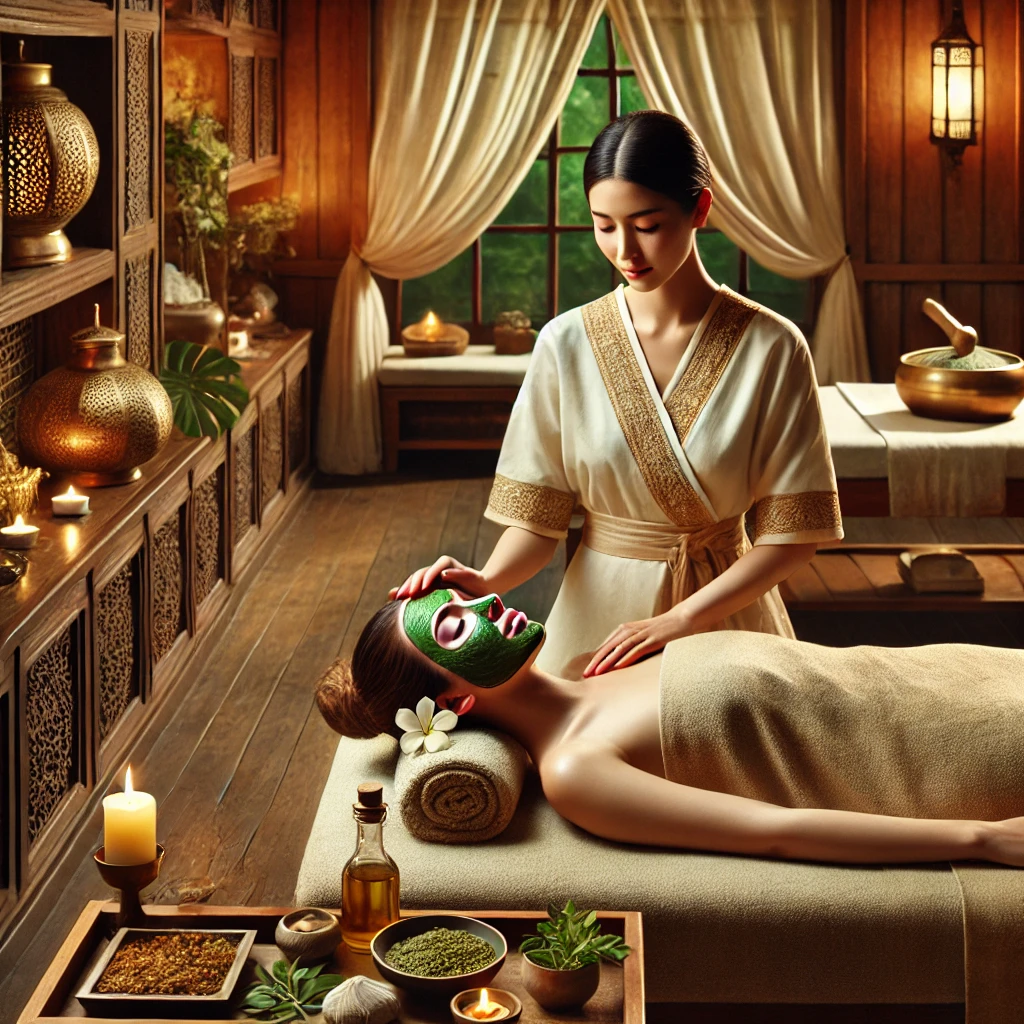
Mukha Lepa: Ayurvedic Facial Treatment for Radiant Skin at Yogakshema Ayurveda Hospital
Importance of Mukha Lepa
This therapy offers a multitude of benefits:
- Skin Rejuvenation: Nourishes and revitalizes the skin, improving tone, texture, and radiance.
- Reduces Signs of Aging: Minimizes wrinkles, fine lines, and age spots for youthful-looking skin.
- Detoxifies the Skin: Removes impurities and toxins, enhancing the skin’s natural glow.
- Balances Doshas: Addresses specific skin concerns by balancing the three doshas—Vata, Pitta, and Kapha.
- Stress Reduction: Promotes relaxation, which positively impacts skin health.
Indications for Mukha Lepa
Mukha Lepa is particularly suitable for:
- Aging Skin: Wrinkles, fine lines, sagging skin, and loss of elasticity.
- Dull and Lackluster Skin: To enhance tone, texture, and radiance.
- Acne and Breakouts: Reduces acne and improves skin clarity.
- Hyperpigmentation: Helps lighten dark spots and even skin tone.
- Dry and Dehydrated Skin: Provides deep nourishment and hydration.
How Mukha Lepa Works
1. Herbal Action:
The paste includes a blend of herbs with nourishing, anti-inflammatory, and antioxidant properties that repair and protect the skin.
2. Deep Cleansing:
Gently exfoliates dead skin cells and impurities, promoting clearer, healthier skin.
3. Improved Circulation:
Stimulates blood flow to the skin, enhancing natural radiance and delaying premature aging.
4. Vata Pacification:
Balances Vata dosha to address dryness, wrinkles, and other skin concerns associated with aging.
Treatment Regimen
1. Pre-Treatment:
A detailed consultation with an Ayurvedic therapist helps assess individual skin concerns and customize the herbal paste.
2. During Treatment:
The herbal paste is applied to the face, neck, and décolleté and left on for a specified time.
3. Post-Treatment:
The paste is removed with lukewarm water, followed by the application of a light Ayurvedic moisturizer.
Fitness for Treatment
While Mukha Lepa is safe for most individuals, certain conditions may require caution:
- Open Wounds or Cuts: Avoid treatment if there are open wounds or cuts on the face.
- Active Skin Infections: Consult an Ayurvedic physician if you have acne outbreaks with open sores or other active infections.
- Allergies: Individuals with known allergies to specific herbs in the paste should avoid this therapy.
Experience Mukha Lepa at Yogakshema Ayurveda Hospital
Indulge in the rejuvenating benefits of Mukha Lepa therapy at Yogakshema Ayurveda Hospital. Let our experienced Ayurvedic therapists customize the perfect treatment to meet your unique skin care needs and bring out your skin’s natural radiance.
Frequently Asked Questions (FAQs)
1. What is Mukha Lepa therapy?
Mukha Lepa is a traditional Ayurvedic facial therapy that uses customized herbal pastes to cleanse, nourish, and rejuvenate the skin naturally. The treatment is tailored according to the individual’s skin type and Dosha balance.
Related Internal Links
- https://yogakshemaayurveda.com/mukha-lepa/
- https://yogakshemaayurveda.com/panchakarma/
- https://yogakshemaayurveda.com/about-doctor/
- https://yogakshemaayurveda.com/contact-us/
2. What are the benefits of Mukha Lepa?
Potential benefits may include:
- Deep skin cleansing
- Improved skin texture
- Better skin hydration
- Reduction in excess oiliness
- Healthy complexion
- Natural skin glow
- Support for acne-prone skin
- Skin rejuvenation
Results vary depending on individual skin conditions.
Related Internal Links
- https://yogakshemaayurveda.com/melasma/
- https://yogakshemaayurveda.com/miliaria/
- https://yogakshemaayurveda.com/lifestyle-wellness/
3. Is Mukha Lepa suitable for acne and pigmentation?
Ayurvedic physicians may recommend customized Mukha Lepa formulations for individuals with acne-prone skin, pigmentation, uneven skin tone, or dull complexion after clinical evaluation.
Related Internal Links
4. Which herbs are commonly used in Mukha Lepa?
Depending on the skin type and therapeutic goals, herbs such as Lodhra, Manjistha, Chandana, Haridra (Turmeric) and other classical Ayurvedic ingredients may be used in customized combinations.
Related Internal Links
5. Is Mukha Lepa safe for sensitive skin?
Mukha Lepa is generally customized according to the individual’s skin condition. Patients with sensitive skin or active skin disorders should undergo physician assessment before treatment.
Related Internal Links
6. How long does a Mukha Lepa session take?
A typical session may take approximately 30–60 minutes, depending on the treatment protocol and additional therapies recommended by the physician.
Related Internal Links
7. Can Mukha Lepa be combined with other Ayurvedic therapies?
Yes. Based on clinical evaluation, Mukha Lepa may be combined with therapies such as facial Abhyanga, Nasya, Panchakarma, dietary guidance, and lifestyle modifications for comprehensive skin care.
Related Internal Links
- https://yogakshemaayurveda.com/panchakarma/
- https://yogakshemaayurveda.com/nasya/
- https://yogakshemaayurveda.com/lifestyle/
8. Is there any downtime after Mukha Lepa?
Most individuals can resume normal activities shortly after treatment. Your physician may recommend avoiding excessive sun exposure and following a gentle skin-care routine for optimal results.
Related Internal Links
9. How many Mukha Lepa sessions are recommended?
The number of sessions varies according to the individual’s skin condition, treatment goals, and physician recommendations. Some people benefit from periodic maintenance sessions.
Related Internal Links
10. Why choose Yogakshema Ayurveda Hospital for Mukha Lepa?
Yogakshema Ayurveda Hospital offers physician-supervised Ayurvedic skin care with personalized herbal formulations, authentic therapies, holistic lifestyle guidance, and individualized treatment plans for long-term skin wellness.