
Dhanyamla Sweda
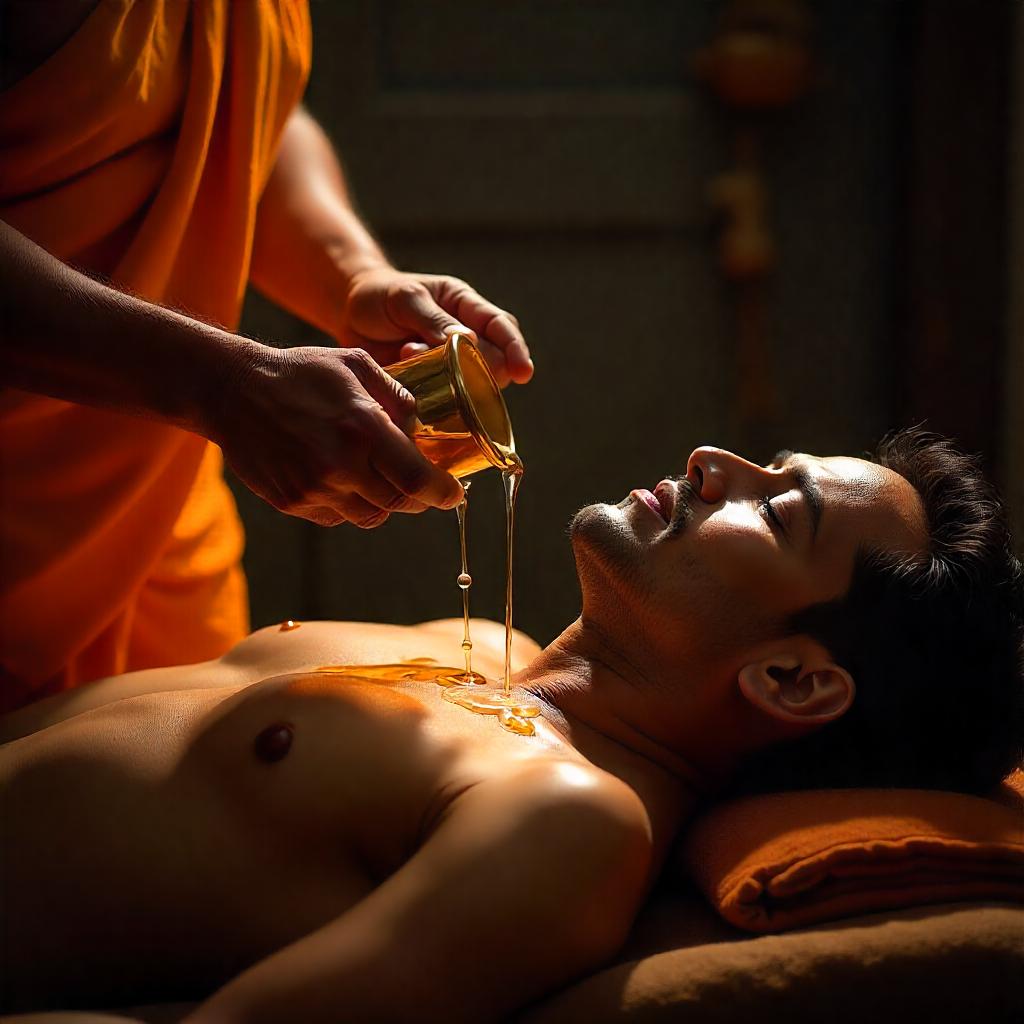
Dhanyamla Sweda (Kati Kizhi): Ayurvedic Fermented Herbal Bolus Therapy
Dhanyamla Sweda, also known as Kati Kizhi when applied specifically to the lower back, is a unique Ayurvedic therapy that utilizes boluses filled with fermented herbal preparations. This treatment is highly effective in addressing pain, inflammation, and stiffness, particularly in the lower back and related conditions.
What is Dhanyamla Sweda/Kati Kizhi?
This therapy involves preparing boluses by wrapping a mixture of fermented grains (such as rice and horse gram) along with specific herbs and other ingredients in muslin cloth. These boluses are then dipped in a warm, fermented herbal liquid known as Dhanyamla and gently massaged onto the affected areas. When focused on the lower back, the therapy is specifically referred to as Kati Kizhi.
Importance of Dhanyamla Sweda/Kati Kizhi
The fermentation process enhances the therapeutic properties of the herbs and grains, making them more easily absorbed by the body. This therapy is particularly beneficial for Vata-related disorders, which often manifest as pain, stiffness, and dryness in the body.
Benefits of Dhanyamla Sweda/Kati Kizhi
- Relieves Lower Back Pain and Sciatica: Effective for alleviating discomfort in the lower back and sciatic nerve pain.
- Reduces Inflammation and Swelling: Helps in reducing inflammation in joints and muscles.
- Improves Blood Circulation: Enhances circulation to the affected areas, promoting healing.
- Reduces Muscle Stiffness and Spasms: Eases muscle tension and reduces spasms.
- Provides Relief from Spinal Disorders: Alleviates pain related to spondylosis and other spinal conditions.
- Promotes Relaxation and Stress Relief: The therapy induces relaxation, reducing overall stress.
Indications
Dhanyamla Sweda/Kati Kizhi is recommended for:
- Lower back pain (lumbago)
- Sciatica
- Spondylosis and other spinal conditions
- Muscle stiffness and spasms
- Inflammatory joint conditions
Mode of Action
The therapeutic effects of this treatment are due to:
- Thermal Effect: The heat from the boluses and the warm Dhanyamla causes vasodilation, improving blood circulation and reducing stiffness.
- Medicinal Properties: The fermented herbs and grains have anti-inflammatory, analgesic, and Vata-pacifying properties, which are absorbed through the skin for targeted relief.
- Fermentation Benefits: The fermentation process produces beneficial organic acids and enzymes, which enhance the therapeutic effects.
- Massage Action: The gentle massage with the boluses helps relax muscles, relieve tension, and stimulate local circulation.
Fitness for Treatment
While generally safe, Dhanyamla Sweda/Kati Kizhi may not be suitable for individuals with:
- Acute fever or infections
- Open wounds or skin lesions
- Severe skin conditions
- Pregnancy (please consult with our physicians)
Consult with our Ayurvedic physicians to determine if this therapy is appropriate for you.
Treatment Regimen
- Preparation: Appropriate herbs and grains are selected and fermented according to traditional Ayurvedic methods.
- Procedure: The boluses are dipped in warm Dhanyamla and gently massaged onto the affected areas. The application involves specific strokes and pressure tailored to the individual’s condition.
- Post-Treatment: A short rest period is recommended after the therapy to allow the body to absorb its beneficial effects.
At Yogakshema Ayurveda Hospital
At Yogakshema Ayurveda Hospital, we offer personalized Dhanyamla Sweda/Kati Kizhi therapy under the expert guidance of experienced Ayurvedic physicians and therapists. We use high-quality herbal ingredients and ensure strict hygiene to maximize the safety and effectiveness of every treatment.
Contact us today to learn more or schedule a consultation. Let us guide you to a path of healing and rejuvenation.
FAQs
1. What is Dhanyamla Sweda?
Dhanyamla Sweda is a traditional Ayurvedic sudation (Swedana) therapy that uses warm fermented herbal liquid prepared from cereals, herbs, and medicinal ingredients. The therapy is designed to induce therapeutic sweating and may help reduce pain, stiffness, swelling, and inflammation associated with Vata and Kapha disorders.
Related Pages:
2. How is Dhanyamla Sweda performed?
During the therapy, warm fermented Dhanyamla is poured continuously over the entire body or the affected area while maintaining a uniform temperature. Depending on the physician’s recommendation, Abhyanga (Ayurvedic oil massage) may be performed before the therapy.
Related Pages:
3. What are the benefits of Dhanyamla Sweda?
Potential benefits include:
- Helps reduce joint pain
- May decrease stiffness
- Supports reduction of inflammation
- Improves circulation
- Promotes flexibility
- Encourages therapeutic sweating
- Supports musculoskeletal health
Results vary according to the individual’s condition and treatment plan.
Related Pages:
4. Who can benefit from Dhanyamla Sweda?
An Ayurvedic physician may recommend Dhanyamla Sweda for individuals with:
- Arthritis
- Rheumatoid arthritis
- Joint stiffness
- Chronic muscular pain
- Back pain
- Cervical or lumbar spondylosis
- Sciatica
- Certain inflammatory musculoskeletal disorders
Suitability depends on a clinical evaluation.
Related Pages:
5. Is Dhanyamla Sweda part of Panchakarma?
Yes. Dhanyamla Sweda is one of the Swedana (sudation) therapies used in Ayurvedic Panchakarma. It is prescribed as part of an individualized treatment protocol based on the patient’s condition and physician’s assessment.
Related Pages:
6. How many sessions are recommended?
The number of sessions varies depending on the diagnosis, severity of symptoms, and physician’s treatment plan. Many Panchakarma programs recommend therapy over several consecutive days for optimal results.
Related Pages:
7. Can Dhanyamla Sweda help with arthritis?
Dhanyamla Sweda is traditionally used in Ayurveda as supportive therapy for inflammatory joint disorders, including arthritis. Clinical studies have reported improvements in pain, swelling, and functional capacity when it is used as part of a comprehensive Ayurvedic treatment plan. It should complement—not replace—appropriate medical care.
Related Pages:
8. Are there any precautions before treatment?
Patients should undergo an Ayurvedic consultation before beginning therapy. The physician will evaluate the individual’s health status, determine whether Dhanyamla Sweda is appropriate, and provide dietary and pre-treatment instructions.
Related Pages:
9. How do I book Dhanyamla Sweda therapy?
You can schedule a consultation at Yogakshema Ayurveda Hospital through phone, WhatsApp, or the online appointment form. After assessment, an individualized treatment plan will be prepared if Dhanyamla Sweda is appropriate.
Related Pages:
10. Why choose Yogakshema Ayurveda for Dhanyamla Sweda?
Yogakshema Ayurveda Hospital offers authentic physician-guided Panchakarma therapies with individualized treatment plans. Dhanyamla Sweda may be integrated with herbal medicines, dietary counseling, lifestyle advice, and other Ayurvedic therapies to support comprehensive musculoskeletal care.
Related Pages: