
Diabetic Retinopathy
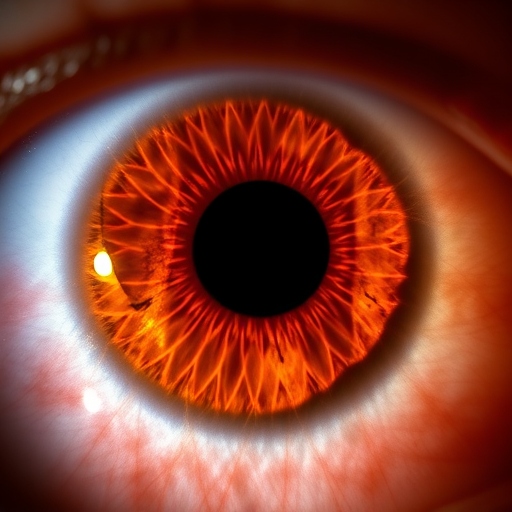
Ayurveda Management of Diabetic Retinopathy
Stages of Diabetic Retinopathy:
Non-Proliferative Diabetic Retinopathy (NPDR):
- The early stage where blood vessels in the retina may become enlarged (micro aneurysms), and some may become blocked.
- Small amounts of bleeding (retinal hemorrhages) and leakage of fluid can occur.
- Vision problems such as blurriness and distortion may develop as a result of macular edema.
Proliferative Diabetic Retinopathy (PDR):
- The advanced stage of diabetic retinopathy, where new, fragile blood vessels begin to grow in the retina.
- These new vessels are prone to bleeding and can cause significant hemorrhages.
- The formation of scars on the retina and in the vitreous (gel-like substance inside the eye) may lead to irreversible vision loss.
Symptoms of Diabetic Retinopathy:
- Blurred vision and gradual vision loss.
- Floaters (black spots or shapes that float in the field of vision).
- Difficulty seeing at night (night blindness).
- Photophobia (sensitivity to light).
- Shadows or missing areas of vision.
- Progressive worsening of vision over time.
In the early stages, many people with diabetic retinopathy have no symptoms, making regular eye exams essential for anyone with diabetes to detect it before significant vision loss occurs.
Ayurvedic Treatment for Diabetic Retinopathy:
Ayurveda views diabetic retinopathy as a result of the vitiation of all three doshas—Vata, Pitta, and Kapha. Ayurvedic treatments focus on reversing blood clots, strengthening metabolic functions, and reducing the chances of further leakage from blood vessels in the retina. Effective treatment requires strict control of blood sugar levels.
The major Ayurvedic procedures for treating diabetic retinopathy include:
- Lepa over eyes (Application of herbal paste to the eyes)
- Nethradhara (Medicated eye irrigation)
- Thakradhara (Therapy using medicated buttermilk)
- Tharpana (Application of medicated ghee therapy to the eyes, if there is no active bleeding)
- Pindi (Herbal paste therapy for healing)
- Anjanam (Application of medicinal eye drops)
- Shirodhara (Oil therapy on the forehead)
- Aschotanam (Lubrication of the eyes with medicinal drops)
- Nasya (Nasal therapy to balance doshas)
- Basti (Detoxifying enema therapy)
- Putapaaka (Steam therapy for the eyes)
- Purampada (Nourishment therapy for the eyes)
- Vidalaka (External application of herbal paste)
- Shirovasti (Therapy involving medicated oil retained on the head)
These treatments aim to reduce inflammation, improve blood circulation to the eyes, and prevent further damage to the retina.
Treatment Duration and Follow-up:
- The treatment typically requires 2-3 weeks of hospitalization.
- A minimum of 2-4 treatment courses at 3-6 month intervals is recommended for maximum benefit.
- The treatments are done under the supervision of an expert Ayurvedic eye specialist.
Ayurvedic Therapies for Long-term Management:
- Virechana (Purification therapy)
- Thakradhara (Medicated buttermilk therapy)
- Shirodhara (Calming therapy)
- Shirovasti (Herbal oil therapy)
- Basti and Nasya (Detoxifying treatments)
These therapies work synergistically to restore balance in the body, support the health of the eyes, and prevent further damage from diabetic retinopathy.
Treatment Package Includes:
- Initial consultation with an Ayurvedic eye specialist, followed by daily follow-up consultations.
- Accommodation during the treatment period.
- Ayurvedic meals (Breakfast, Lunch, Supper) and herbal drinks.
- Diet and Lifestyle Management advice tailored to your condition.
- Customized Ayurvedic therapies designed for each patient.
- Eye exercises to improve vision and eye health.
- Yoga sessions (Yoga Asanas, Breathing exercises, Meditation, and Relaxation) once a day.
Reservation Details:
- Due to the personalized nature of the treatments, only a limited number of patients are accepted each month.
- Advance reservations are recommended at least one month in advance.
- A 50% advance deposit is required to secure the treatment spot, with the balance due on the first day of the treatment program.
By combining Ayurvedic therapies with proper blood sugar control, diabetic retinopathy can be effectively managed to reduce the risk of vision loss.
FAQs
1. What is diabetic retinopathy?
Diabetic retinopathy is a diabetes-related eye disease that occurs when high blood sugar damages the small blood vessels of the retina. Without timely diagnosis and treatment, it can lead to vision impairment or blindness. Early detection through regular eye examinations is essential.
Related Pages:
2. What causes diabetic retinopathy?
The primary cause is prolonged high blood sugar. Other risk factors include long-standing diabetes, high blood pressure, high cholesterol, smoking, kidney disease, and poor blood sugar control.
Related Pages:
3. What are the symptoms of diabetic retinopathy?
Common symptoms include:
- Blurred vision
- Floaters (spots in vision)
- Fluctuating vision
- Difficulty seeing at night
- Dark or empty areas in vision
- Progressive vision loss
Early stages may not produce noticeable symptoms, making regular eye screening important.
Related Pages:
4. Who is at risk of diabetic retinopathy?
People with Type 1 or Type 2 diabetes are at risk, especially if diabetes has been present for many years. Poor blood sugar control, hypertension, high cholesterol, pregnancy, and smoking further increase the risk.
Related Pages:
5. Can Ayurveda help with diabetic retinopathy?
Ayurveda may provide supportive care alongside conventional ophthalmology treatment. Depending on the patient’s condition, an Ayurvedic physician may recommend individualized herbal medicines, Panchakarma where appropriate, dietary advice, lifestyle modification, and eye care therapies. These approaches are intended to complement—not replace—standard diabetic and eye care.
Related Pages:
6. Can diabetic retinopathy be prevented?
Good blood sugar control, maintaining healthy blood pressure and cholesterol levels, avoiding smoking, and having comprehensive dilated eye examinations at recommended intervals can significantly reduce the risk of progression.
Related Pages:
7. How is diabetic retinopathy diagnosed?
Diagnosis typically involves:
- Comprehensive eye examination
- Dilated retinal examination
- Fundus photography
- Optical Coherence Tomography (OCT)
- Fluorescein angiography (when indicated)
Early diagnosis helps preserve vision.
Related Pages:
8. When should I consult an eye specialist?
Seek prompt medical evaluation if you notice blurred vision, floaters, sudden vision changes, dark spots, or partial loss of vision. People with diabetes should have regular retinal screening even if they have no symptoms.
Related Pages:
9. How do I book an Ayurvedic consultation?
You can schedule an appointment with Yogakshema Ayurveda Hospital through phone, WhatsApp, or the online appointment form. An individualized assessment helps determine the most appropriate supportive care plan.
Related Pages:
10. Why choose Yogakshema Ayurveda for diabetic retinopathy support?
Yogakshema Ayurveda Hospital provides individualized Ayurvedic consultations that integrate traditional therapies, dietary guidance, lifestyle counseling, and holistic wellness strategies alongside appropriate medical and ophthalmology care to support overall eye health.
Related Pages: