
Anal Fissure
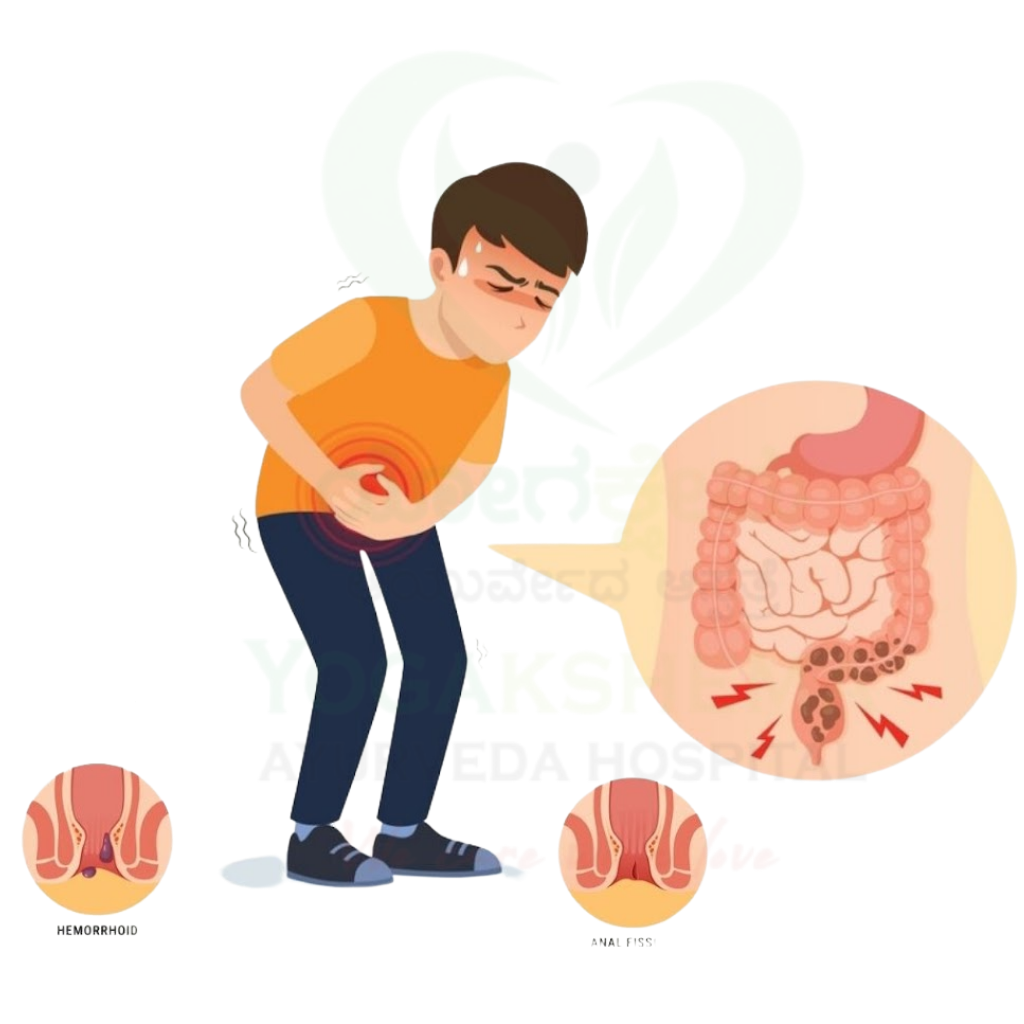
Anal Fissure: Finding Relief with Ayurveda
At Yogakshema Ayurveda Hospital, we specialize in diagnosing and treating anorectal disorders, including anal fissures. An anal fissure is a small tear in the lining of the anus, often caused by passing hard or large stools. This condition can cause significant discomfort, including:
Symptoms of Anal Fissure
- Painful bowel movements – Sharp pain during and after defecation.
- Bright red blood – Bleeding during or after bowel movements.
- Itching and irritation – Persistent discomfort in the anal area.
- Pain at rest – In severe cases, pain persists even without passing stools.
Causes of Anal Fissure
- Constipation – Hard, dry stools cause tears in the anal tissues.
- Chronic diarrhea – Frequent loose stools irritate the anal area.
- Childbirth – Trauma to the anal sphincter during delivery.
- Inflammatory bowel diseases – Conditions like Crohn’s disease and ulcerative colitis increase fissure risk.
- Anal intercourse – May cause trauma to anal tissues.
Diagnosis at Yogakshema Ayurveda Hospital
- Physical Examination – Conducted by an experienced physician.
- Visual Inspection – Helps detect fissures externally.
- Video Proctoscopy – Advanced diagnostic technique for clear visualization of the anal canal, ensuring precise assessment and treatment.
Ayurvedic Treatment for Anal Fissure
Ayurveda offers a holistic approach, addressing the root cause while promoting healing and long-term relief.
1. Internal Medicines
- Soften stools for easier bowel movements.
- Reduce inflammation and pain.
- Promote natural tissue healing.
- Balance Vata dosha, which plays a key role in fissure formation.
2. External Therapies
- Snehana & Swedana – Oil massage and herbal steam therapy to improve circulation and reduce inflammation.
- Sitz Baths – Warm water baths with herbal infusions to soothe irritation and promote healing.
3. Lifestyle Modifications
- Dietary Changes – Increase fiber intake (fruits, vegetables, whole grains) for smooth bowel movements.
- Hydration – Drink sufficient water to prevent constipation.
- Stress Management – Yoga and meditation help prevent stress-induced digestive issues.
Surgical Management (When Necessary)
In cases where conservative treatments do not provide relief, surgical options may be considered:
- Internal Lateral Sphincterotomy – A minor procedure to release the tight anal sphincter, reducing pain and promoting healing.
- Fissurectomy – Surgical removal of the fissure and any associated skin tags.
Post-Surgical Care
- Sitz Baths – Essential for healing and pain relief.
- Dietary & Lifestyle Modifications – Continue a high-fiber diet and avoid constipation.
- Pain Management – Medications may be prescribed to ease discomfort.
Preventing Anal Fissures
- Maintain regular bowel habits – Avoid constipation by eating fiber-rich foods, drinking water, and staying active.
- Manage stress – Reduce stress with relaxation techniques like yoga and meditation.
- Avoid straining – Take your time during bowel movements to prevent undue pressure on the anal area.
Expert Care at Yogakshema Ayurveda Hospital
Experience the expertise of Dr. Shyam Prasad P.S., a renowned Ayurveda General Surgeon with 17+ years of experience in treating anorectal disorders.
At Yogakshema Ayurveda Hospital, we provide comprehensive Ayurvedic treatment for anal fissures, ensuring a natural, effective, and long-term solution for our patients.
Frequently Asked Questions (FAQs) About Anal Fissure Treatment
1. What is an anal fissure?
An anal fissure is a small tear or crack in the lining of the anal canal that commonly causes severe pain during bowel movements, bright red rectal bleeding, and discomfort around the anus. It is one of the most common causes of painful defecation in adults.
In Ayurveda, an anal fissure is correlated with Parikartika, a condition characterized by cutting or burning pain in the anal region, often associated with constipation and aggravated Vata and Pitta Doshas.
Without appropriate treatment, an acute fissure may become chronic and require more advanced management.
2. What causes an anal fissure?
Anal fissures usually develop when excessive pressure or trauma causes the delicate lining of the anal canal to tear.
Common causes include:
Chronic constipation
Passing hard or large stools
Repeated diarrhea
Excessive straining during bowel movements
Childbirth
Inflammatory bowel disease (IBD)
Trauma to the anal canal
According to Ayurveda, Parikartika primarily develops due to:
Aggravated Vata Dosha
Increased Pitta Dosha
Weak digestive fire (Mandagni)
Poor digestion
Improper dietary habits
Identifying and treating the underlying cause is important to promote healing and reduce the risk of recurrence.
3. What are the symptoms of an anal fissure?
Symptoms may vary depending on whether the fissure is acute or chronic.
Common signs and symptoms include:
Sharp pain during bowel movements
Burning sensation after passing stool
Bright red bleeding on toilet paper or stool
Anal itching or irritation
Visible tear near the anus
Constipation due to fear of painful bowel movements
Anal muscle spasm in chronic cases
Persistent anal pain, bleeding, or recurrent constipation should be evaluated by a qualified healthcare professional.
4. Can Ayurveda help treat an anal fissure?
Yes. Ayurveda follows a holistic and individualized approach to managing anal fissures by supporting healing, relieving discomfort, improving digestion, and promoting healthy bowel habits.
Depending on the patient’s condition, treatment may include:
Ayurvedic herbal medicines
Personalized dietary modifications
Lifestyle changes
Avagaha Sweda (Sitz Bath)
Panchakarma therapies (when clinically appropriate)
Bowel regulation
Constipation management
These therapies are designed to complement appropriate medical evaluation and should be tailored after a comprehensive Ayurvedic consultation.
5. Which Ayurvedic treatments are used for anal fissure?
After a detailed consultation, an Ayurvedic physician may recommend a personalized treatment plan.
Treatment options may include:
Comprehensive Ayurvedic consultation
Herbal medicines
Avagaha Sweda (Medicated Sitz Bath)
Panchakarma therapies (when indicated)
Dietary counseling
Constipation management
Lifestyle modification
Follow-up care to monitor healing
The exact treatment plan depends on the severity of the fissure, bowel habits, overall health, and Ayurvedic assessment.
6. Can anal fissures heal without surgery?
Yes.
Many acute anal fissures heal successfully with conservative treatment, including:
Increasing dietary fiber intake
Drinking adequate water
Stool-softening measures
Good bowel habits
Medical treatment
Individualized Ayurvedic care
However, chronic anal fissures that do not respond to conservative management may require additional medical or surgical procedures depending on their severity.
Early treatment improves the chances of healing without surgery.
7. What foods should I eat if I have an anal fissure?
A high-fiber diet helps soften stools, reduce straining, and support healing.
Foods commonly recommended include:
Fresh fruits
Green leafy vegetables
Whole grains
Fiber-rich foods
Adequate fluids
Warm, freshly prepared meals
Easily digestible foods
An experienced Ayurvedic physician can provide a personalized diet plan based on your Prakriti (body constitution), digestive health, and bowel habits.
8. How long does anal fissure treatment take?
The recovery period depends on several factors, including:
Whether the fissure is acute or chronic
Severity of symptoms
Bowel habits
Presence of constipation
Individual healing capacity
Adherence to treatment
Many acute anal fissures improve within a few weeks with appropriate treatment, while chronic fissures may require longer-term management and regular follow-up.
9. How can I prevent anal fissures?
Healthy bowel habits are the most effective way to reduce the risk of developing or recurring anal fissures.
Prevention tips include:
Eat a high-fiber diet
Drink plenty of water
Avoid constipation
Avoid excessive straining during bowel movements
Exercise regularly
Respond promptly to the urge to pass stool
Seek early treatment for constipation or diarrhea
Maintain good digestive health
These lifestyle measures help reduce pressure on the anal canal and promote long-term digestive wellness.
10. Why choose Yogakshema Ayurveda for anal fissure treatment?
Yogakshema Ayurveda Hospital provides personalized Ayurvedic treatment for anal fissure (Parikartika) under the supervision of experienced Ayurvedic physicians.
Why choose Yogakshema Ayurveda?
Comprehensive Ayurvedic consultation
Personalized treatment plans
Authentic Ayurvedic herbal medicines
Avagaha Sweda (Medicated Sitz Bath)
Panchakarma therapies (when clinically appropriate)
Individualized dietary counseling
Constipation management
Lifestyle guidance
Holistic digestive health support
Regular follow-up and patient-centered care
Every treatment plan is customized according to the patient’s Prakriti (body constitution), digestive health, severity of the fissure, and overall wellness goals. The focus is on relieving pain, promoting natural healing, preventing recurrence, and supporting long-term digestive health through an evidence-informed Ayurvedic approach that complements conventional medical care.